






The beginning of everything — a diploma thesis on rule-based design, Hertzberger and the question of where we actually work.
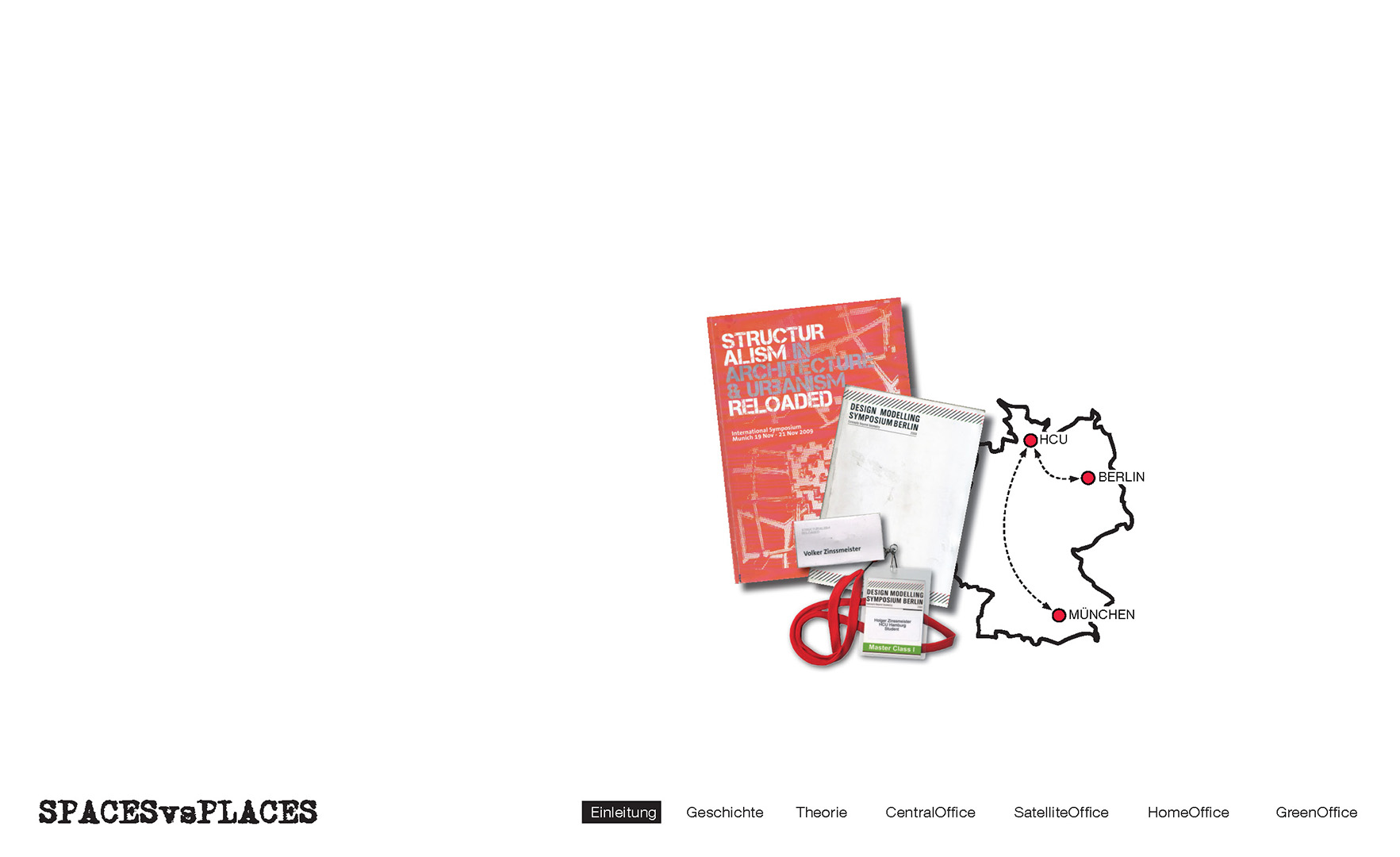
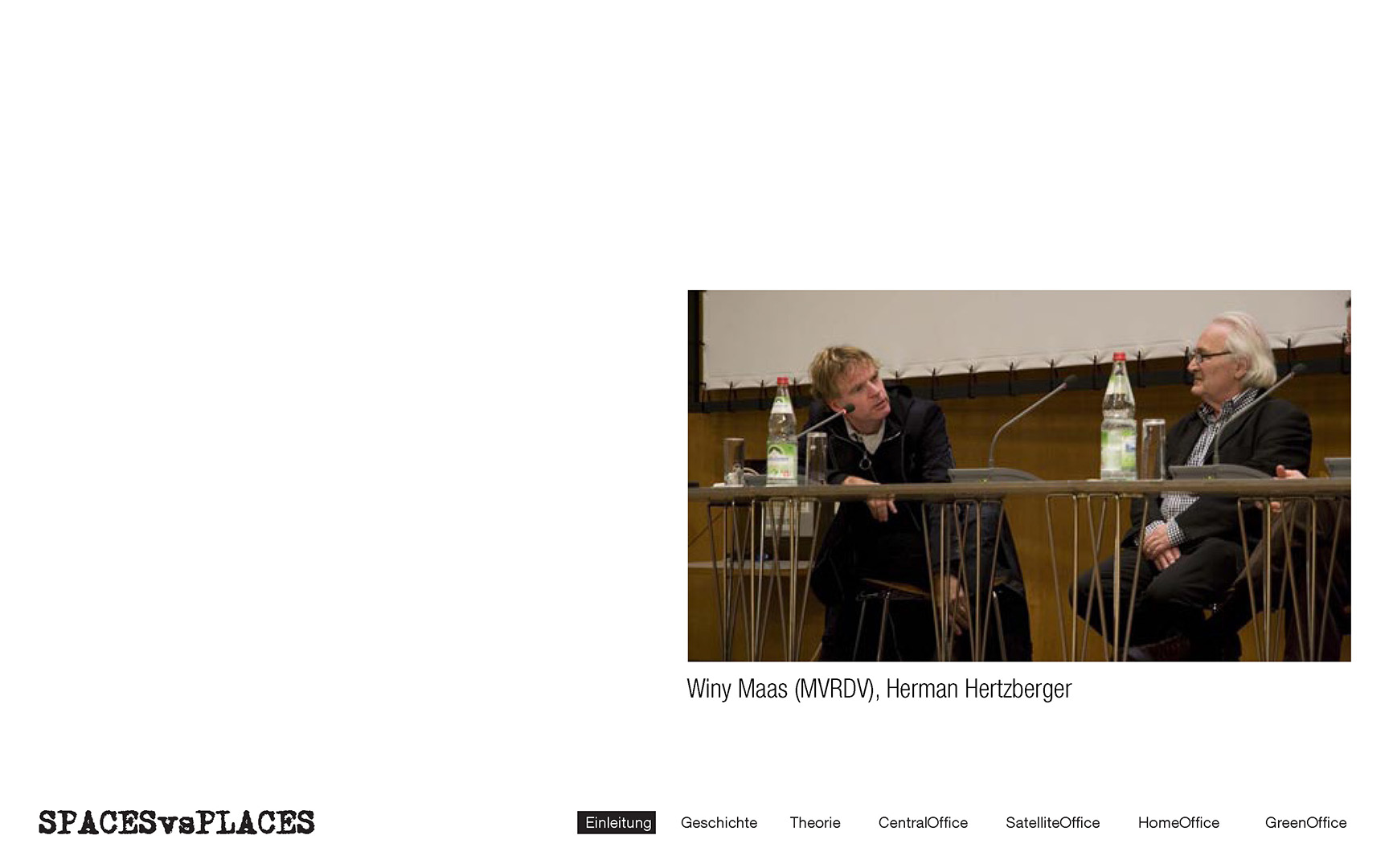
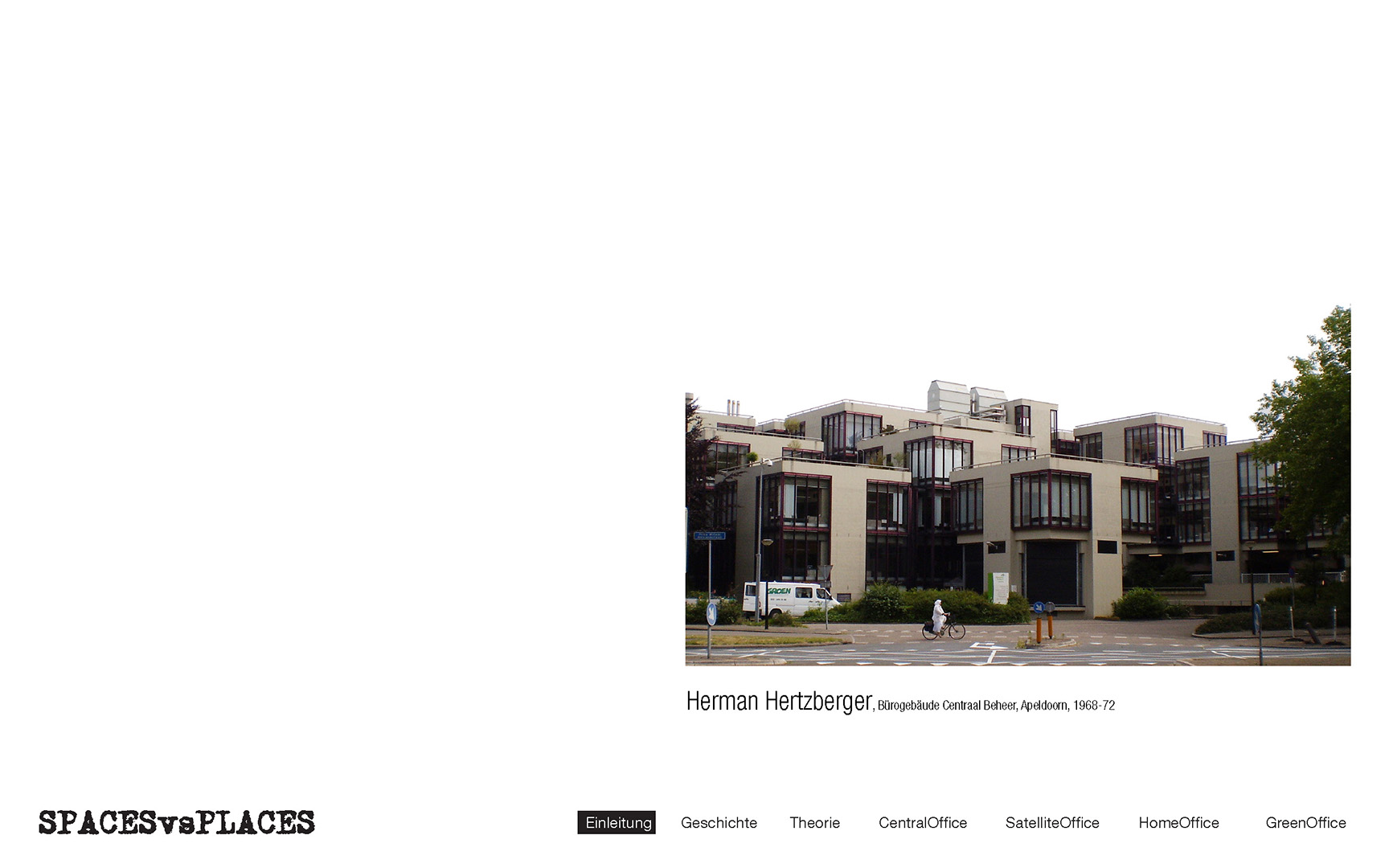
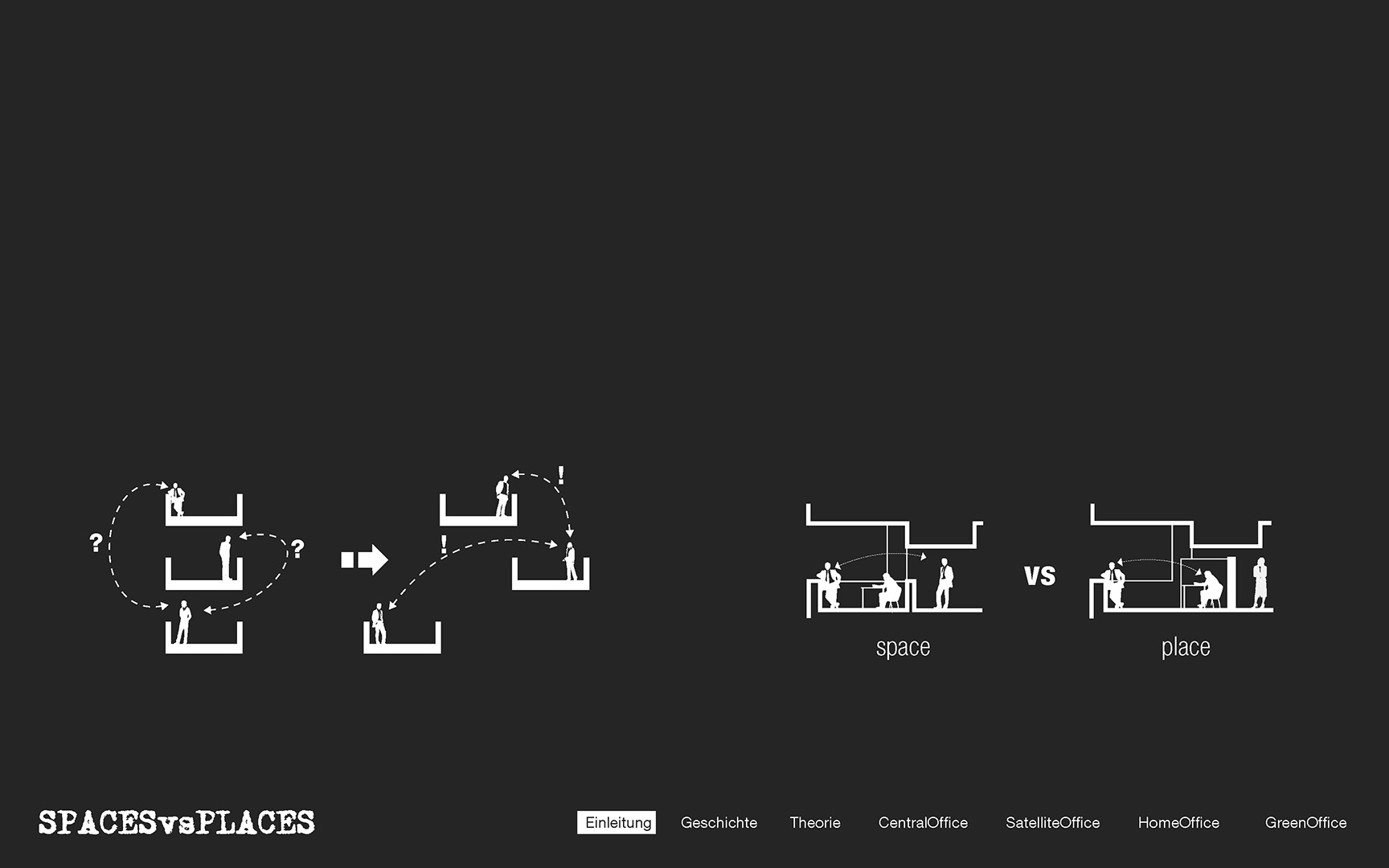
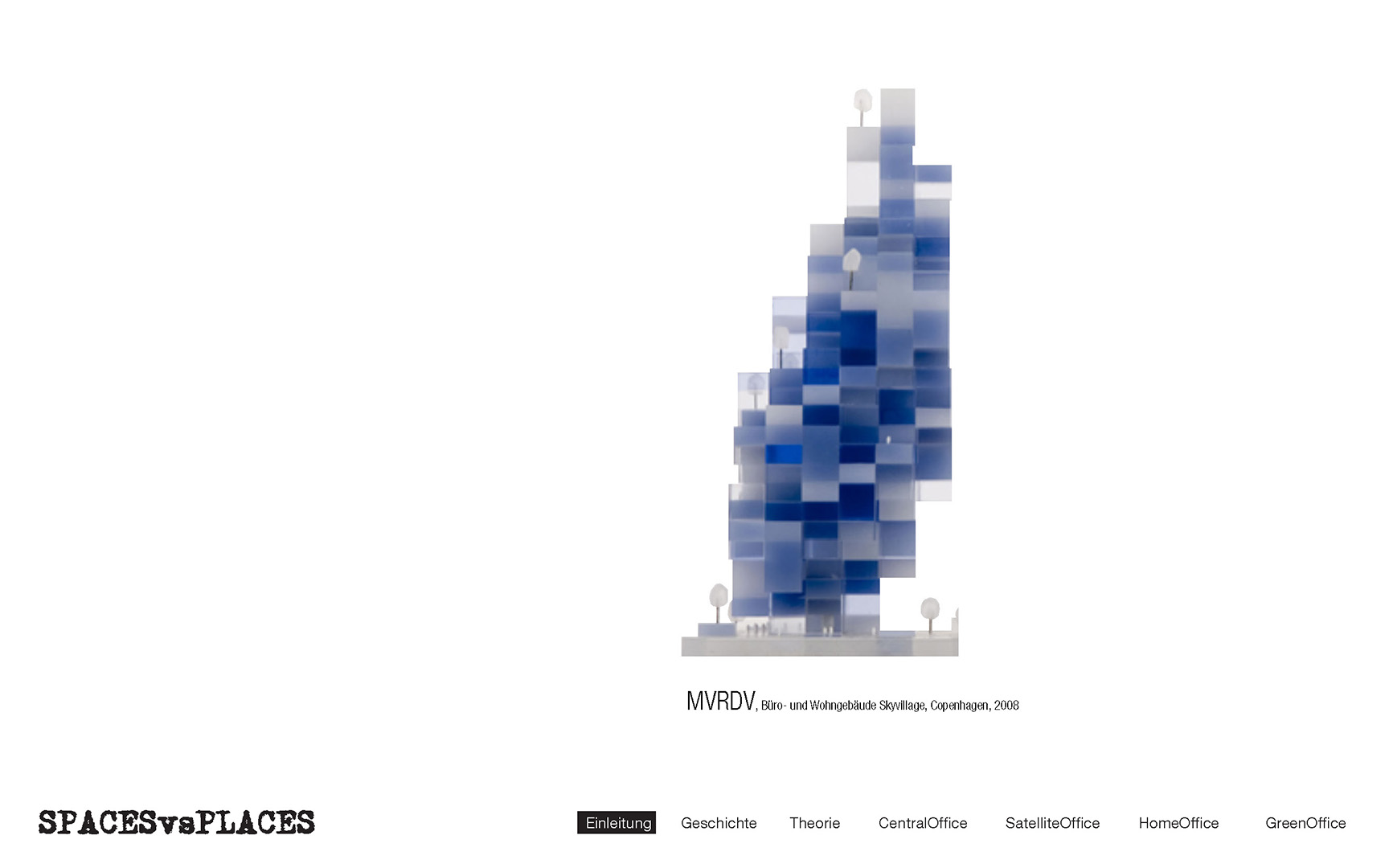
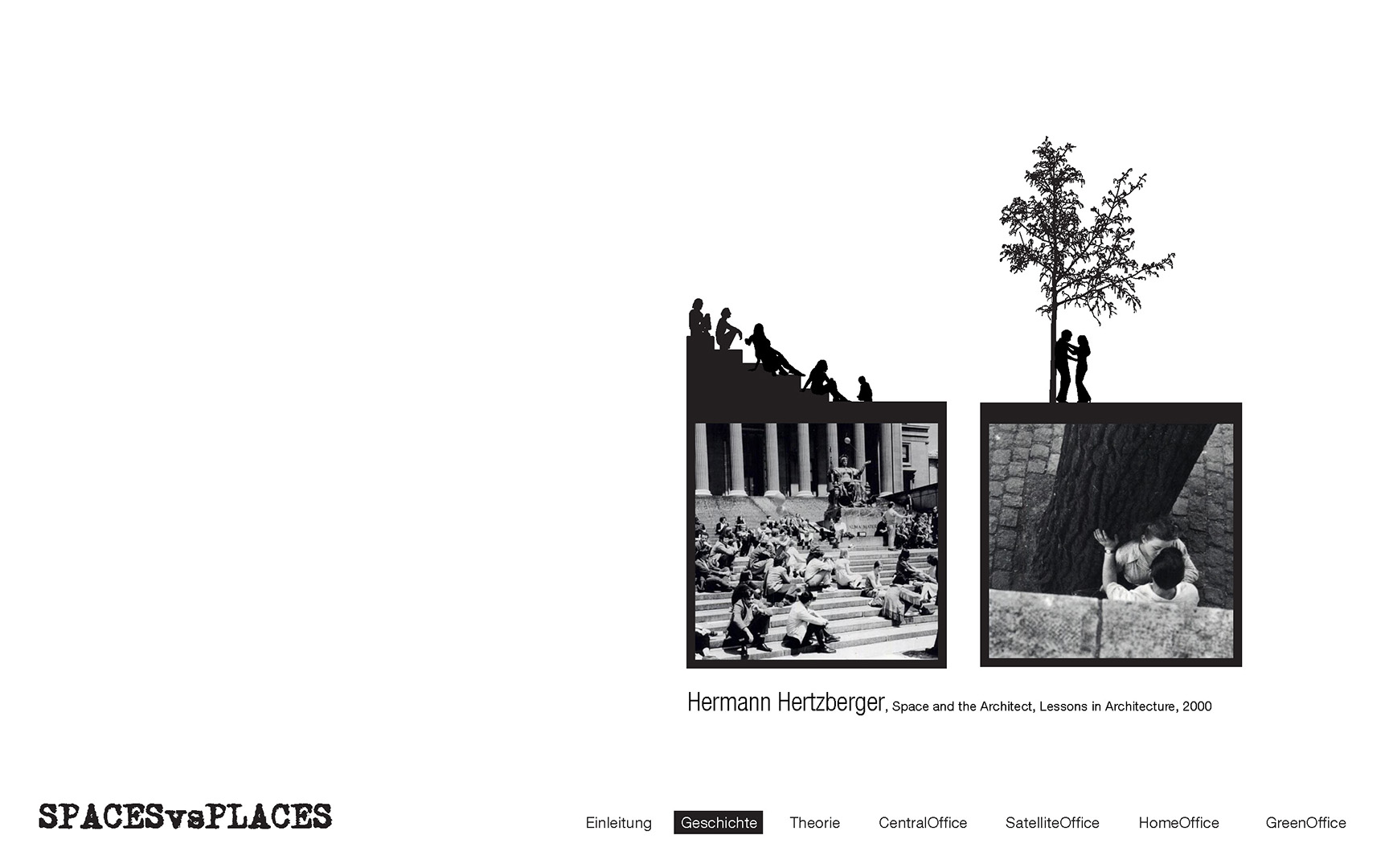
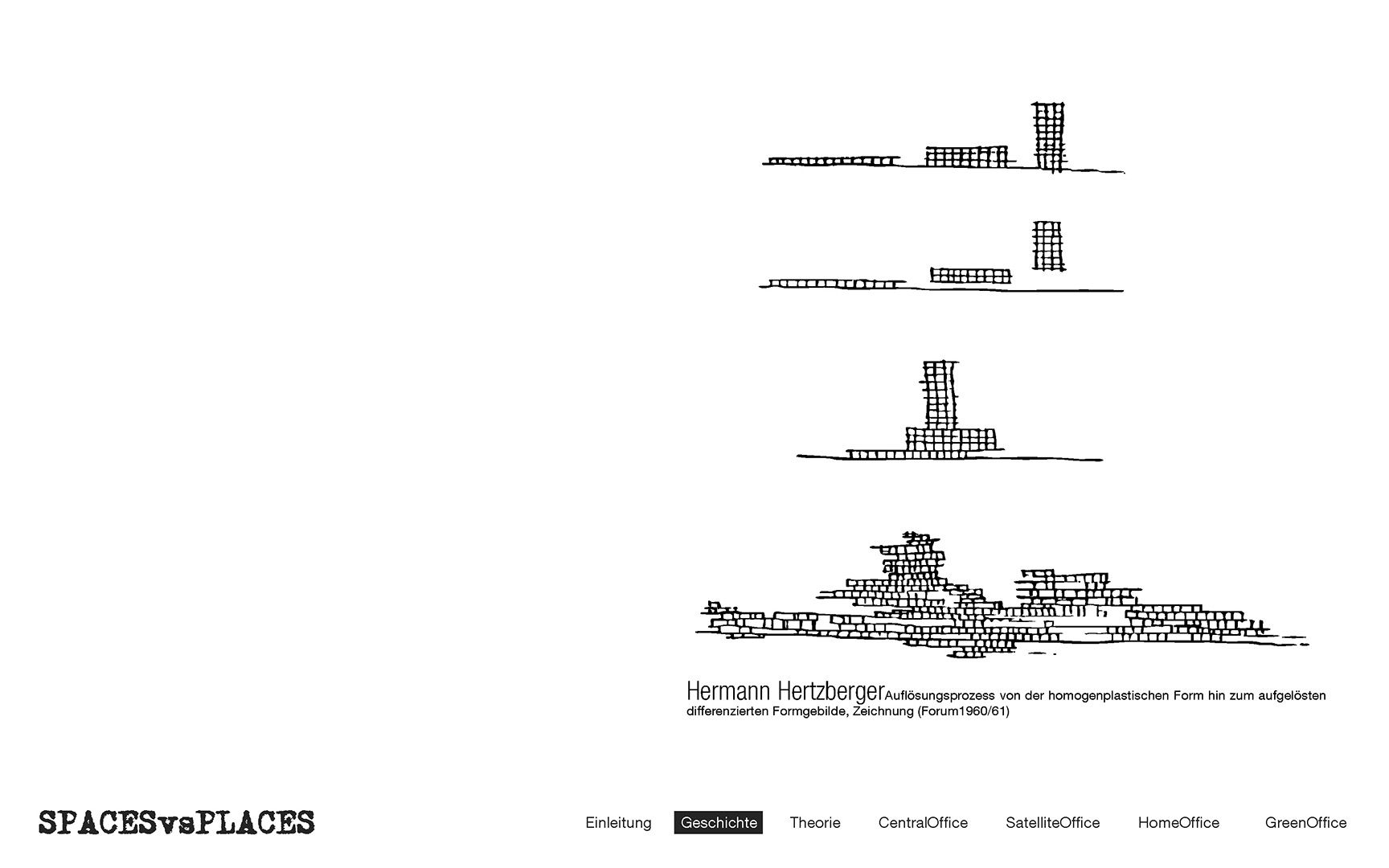
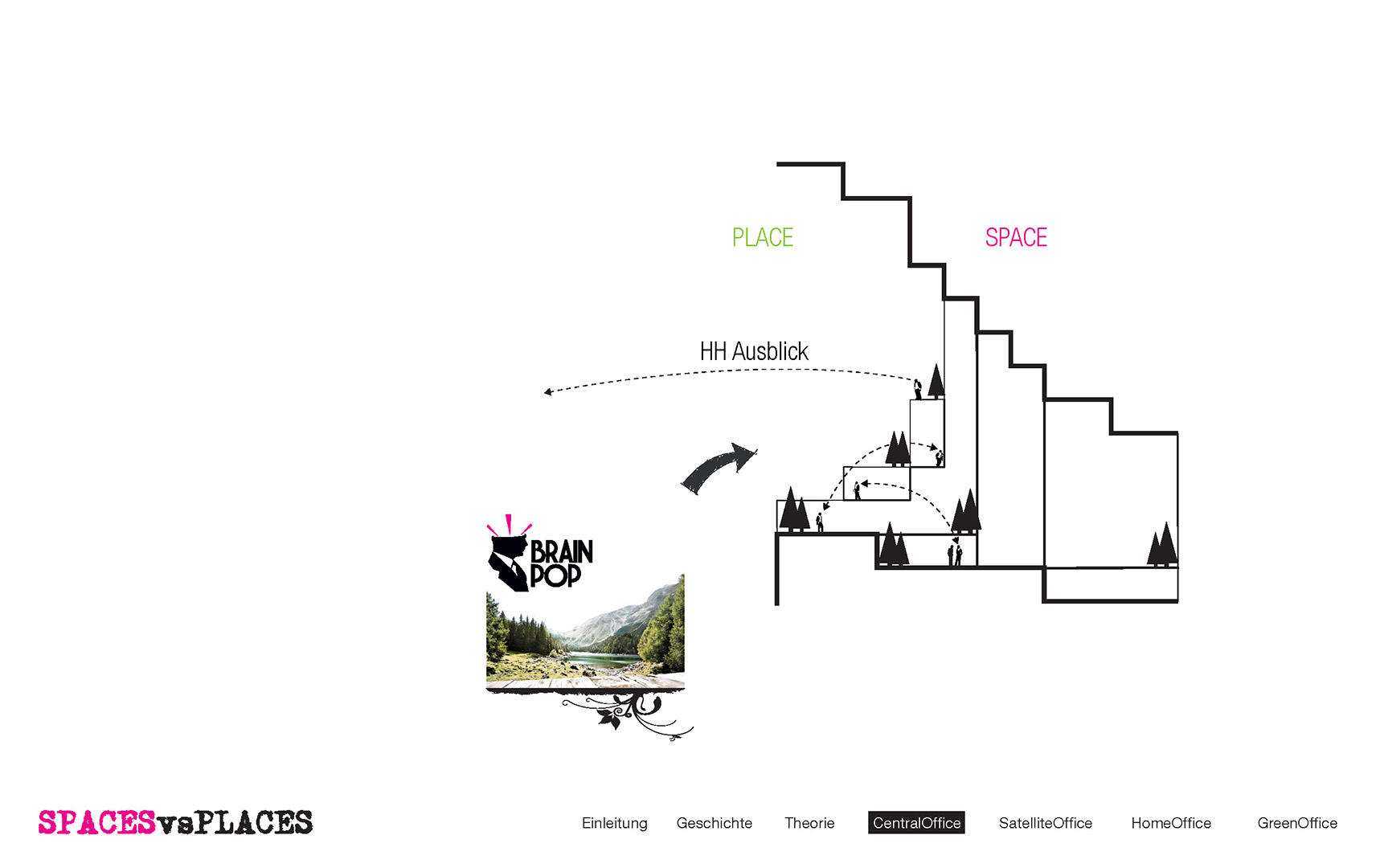
My 2010 diploma was the first serious attempt to place a deeper logic behind subjective decision-making in architecture. The starting point was the collision of two worlds: Herman Hertzberger's idea of Spaces and Places — public communicative spaces against intimate places of concentration — and Winy Maas' neo-structuralist approach to pixel-like, modular systems. The theoretical foundation was the historical structuralism of the 1960s and 70s, whose demands for human scale, flexibility and participation sound alarmingly relevant today.
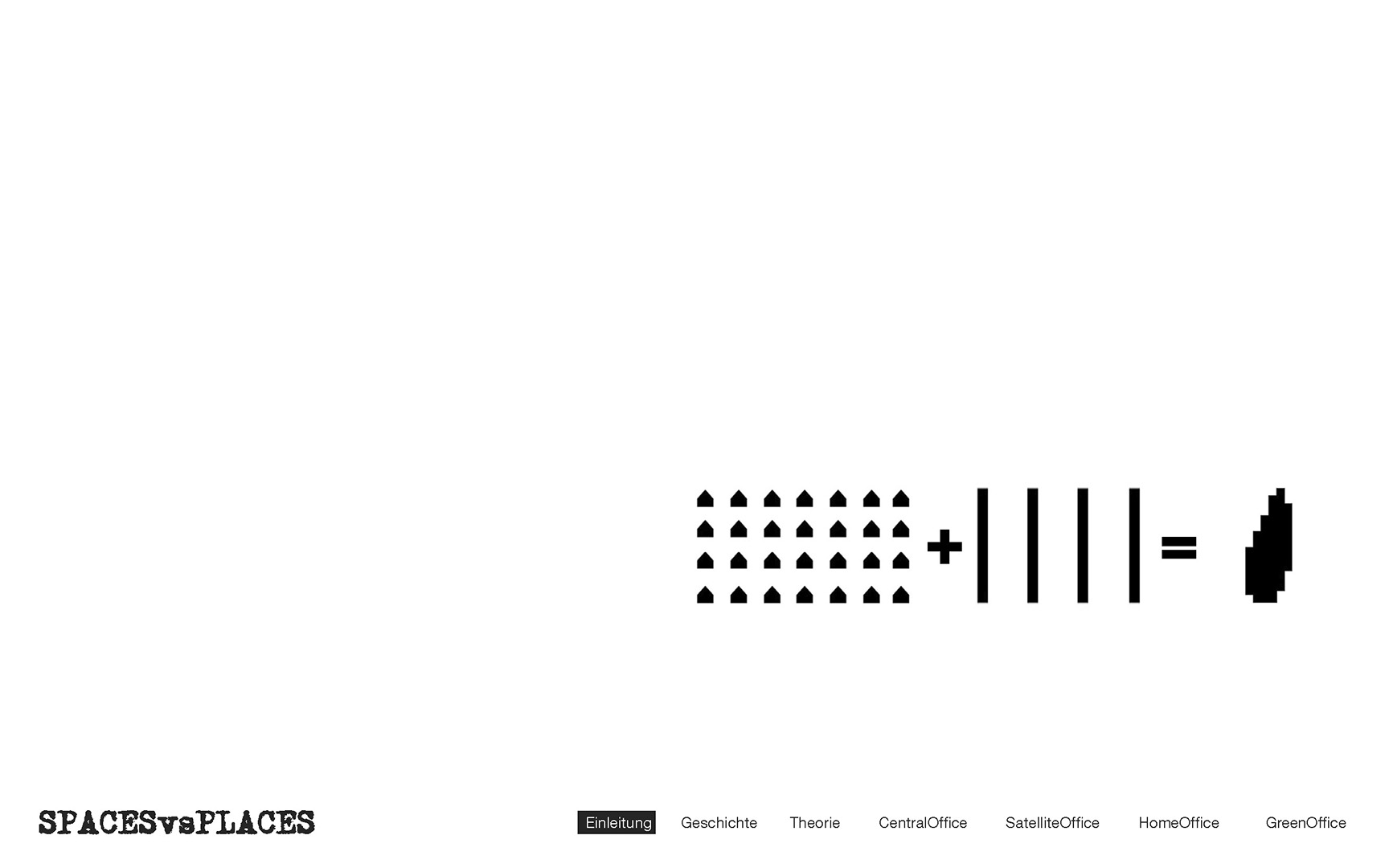
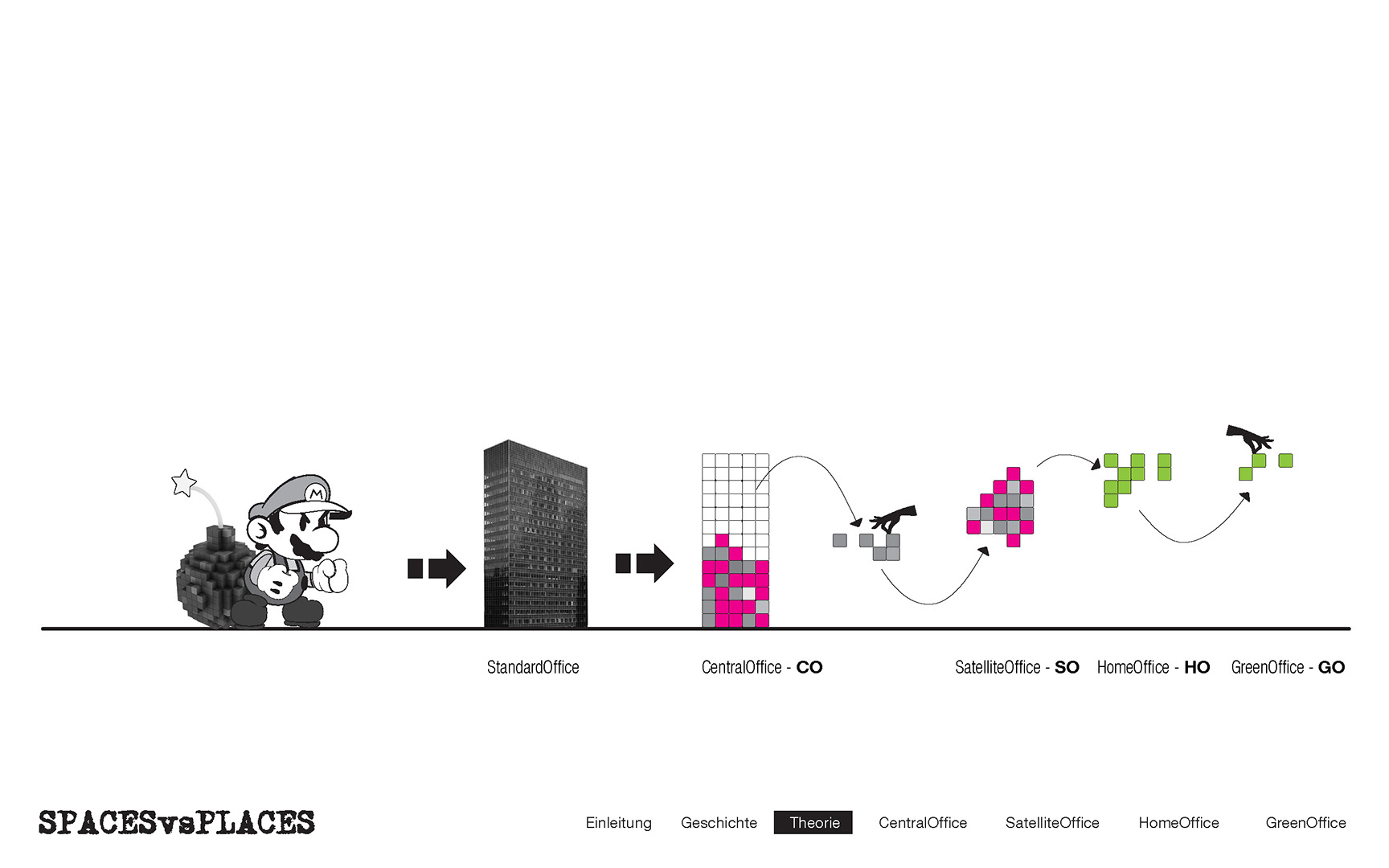
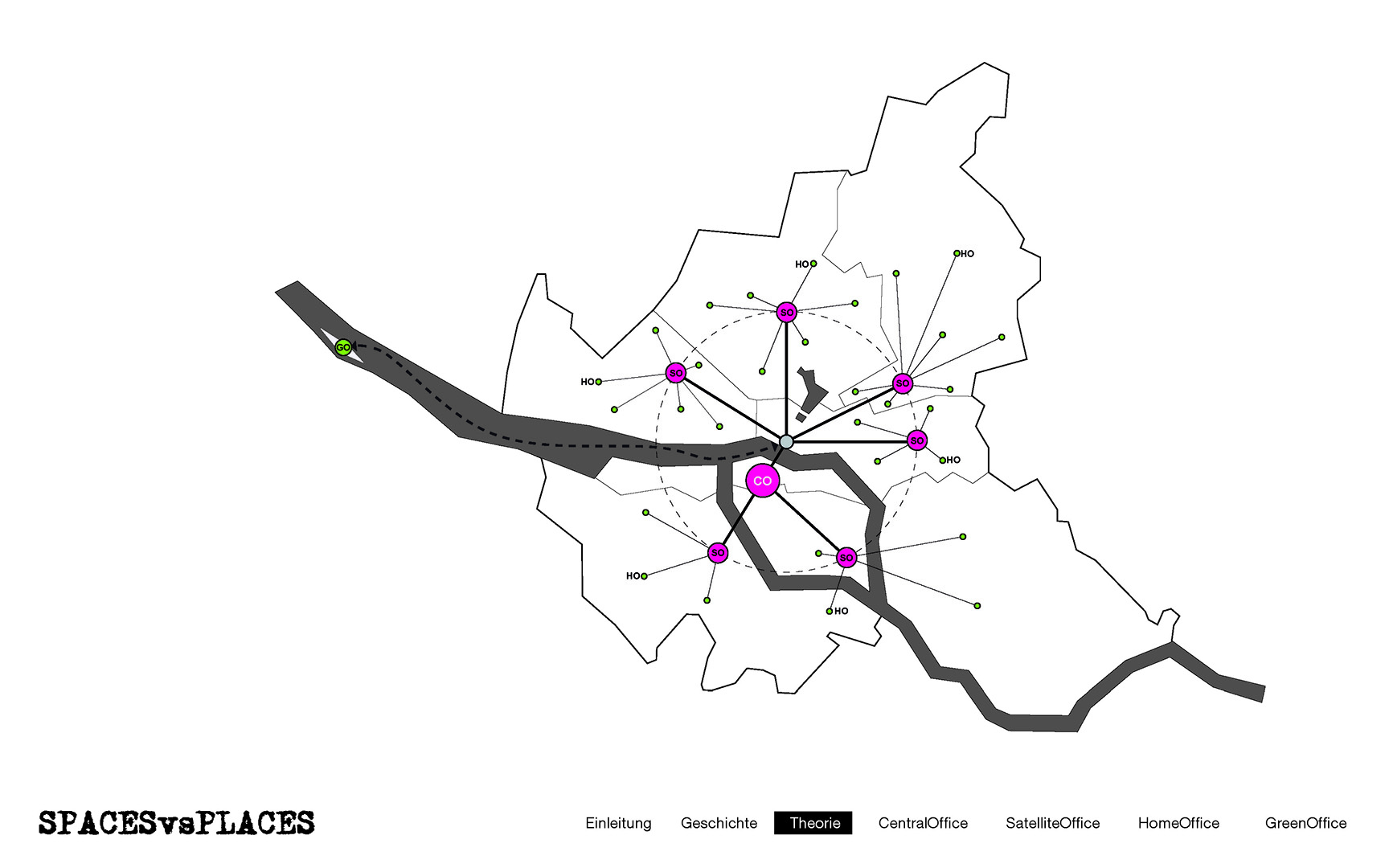
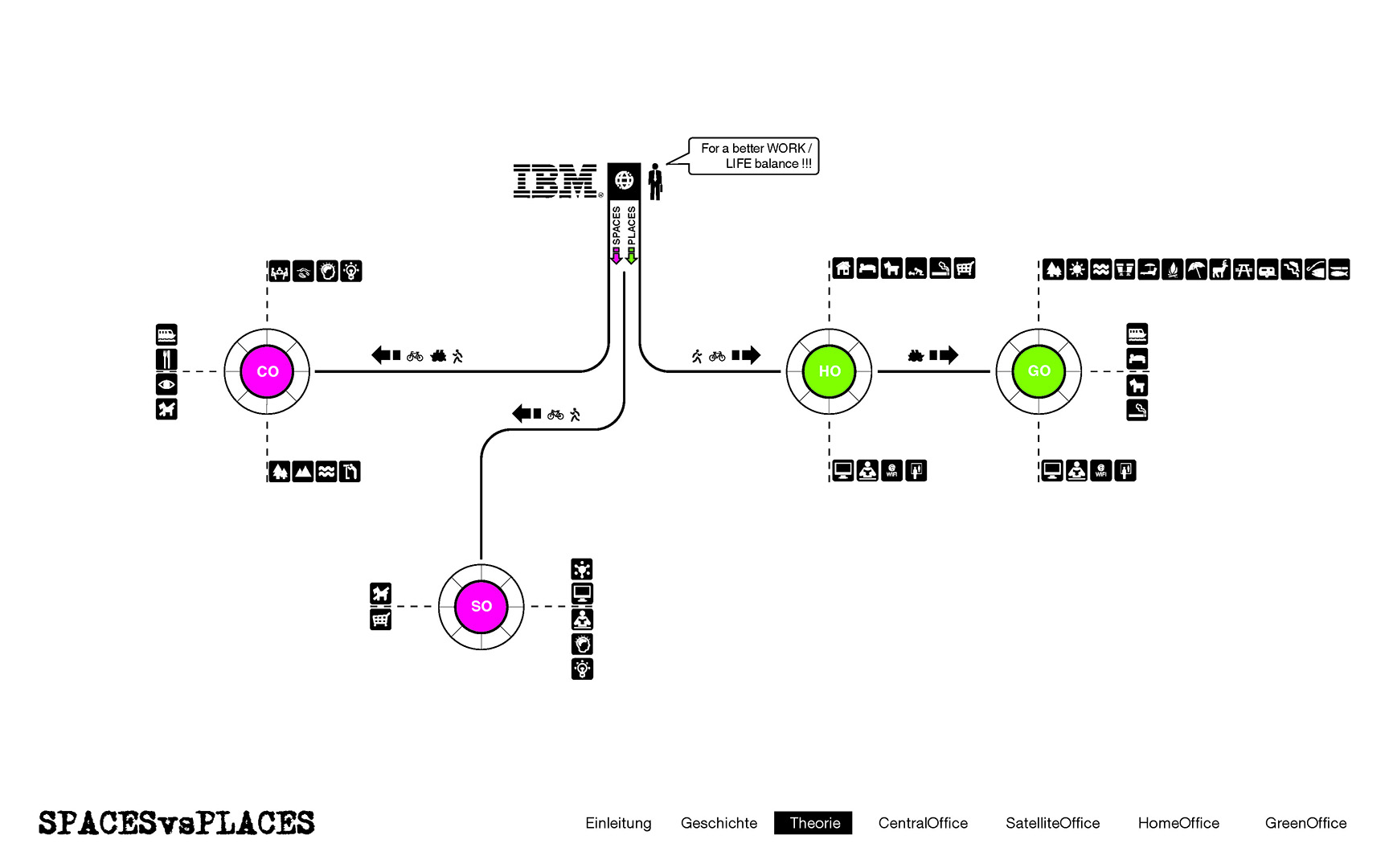
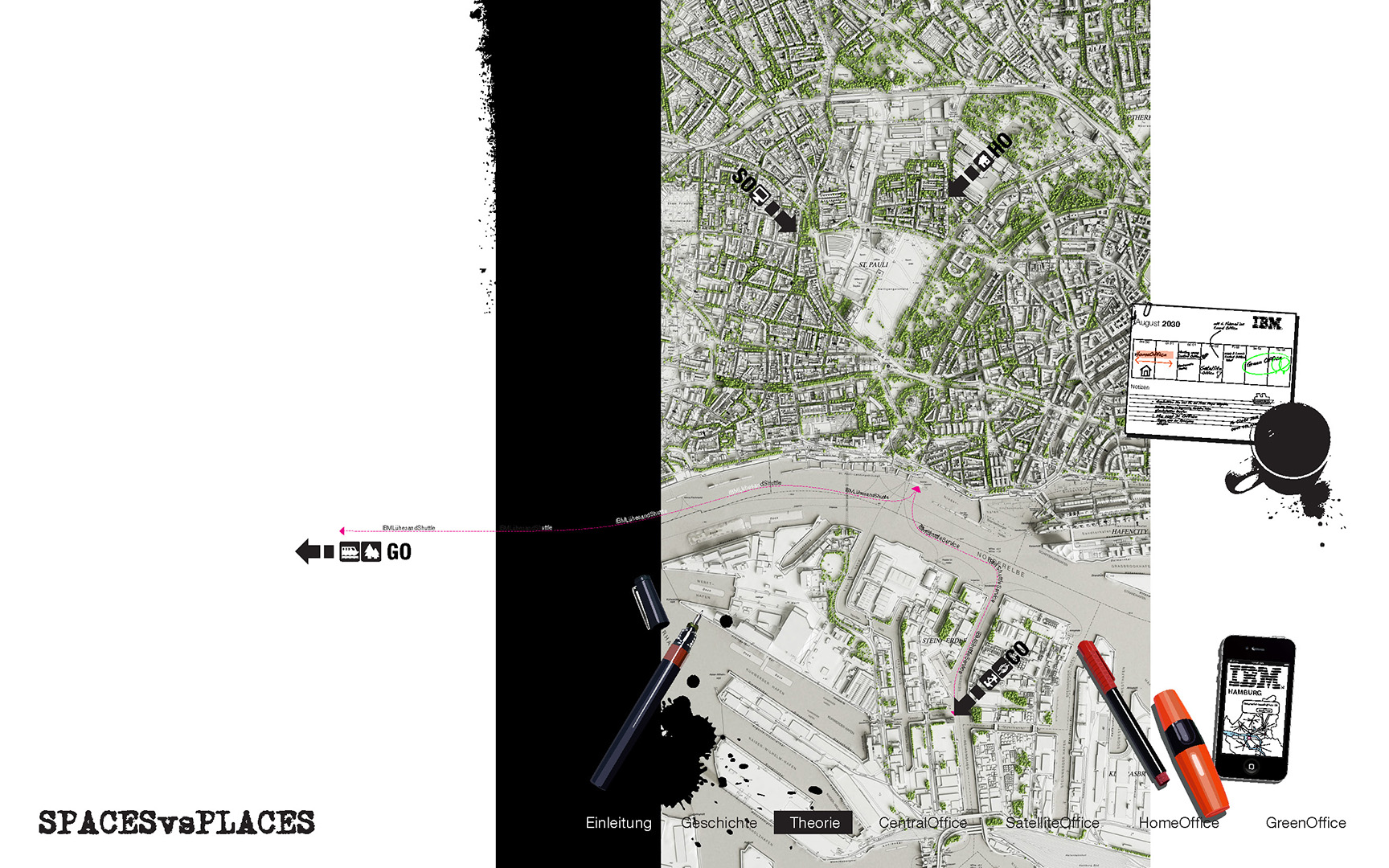
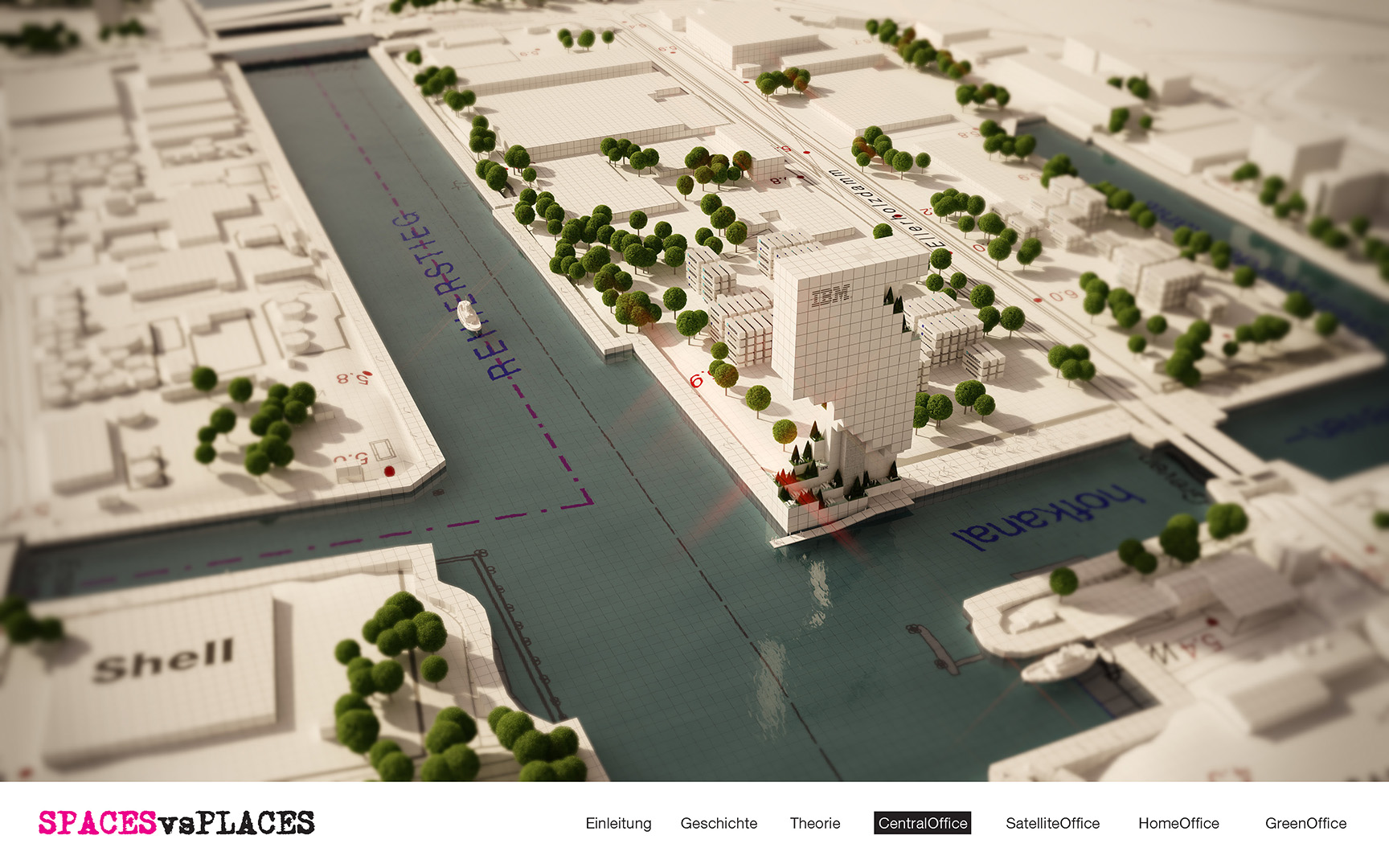
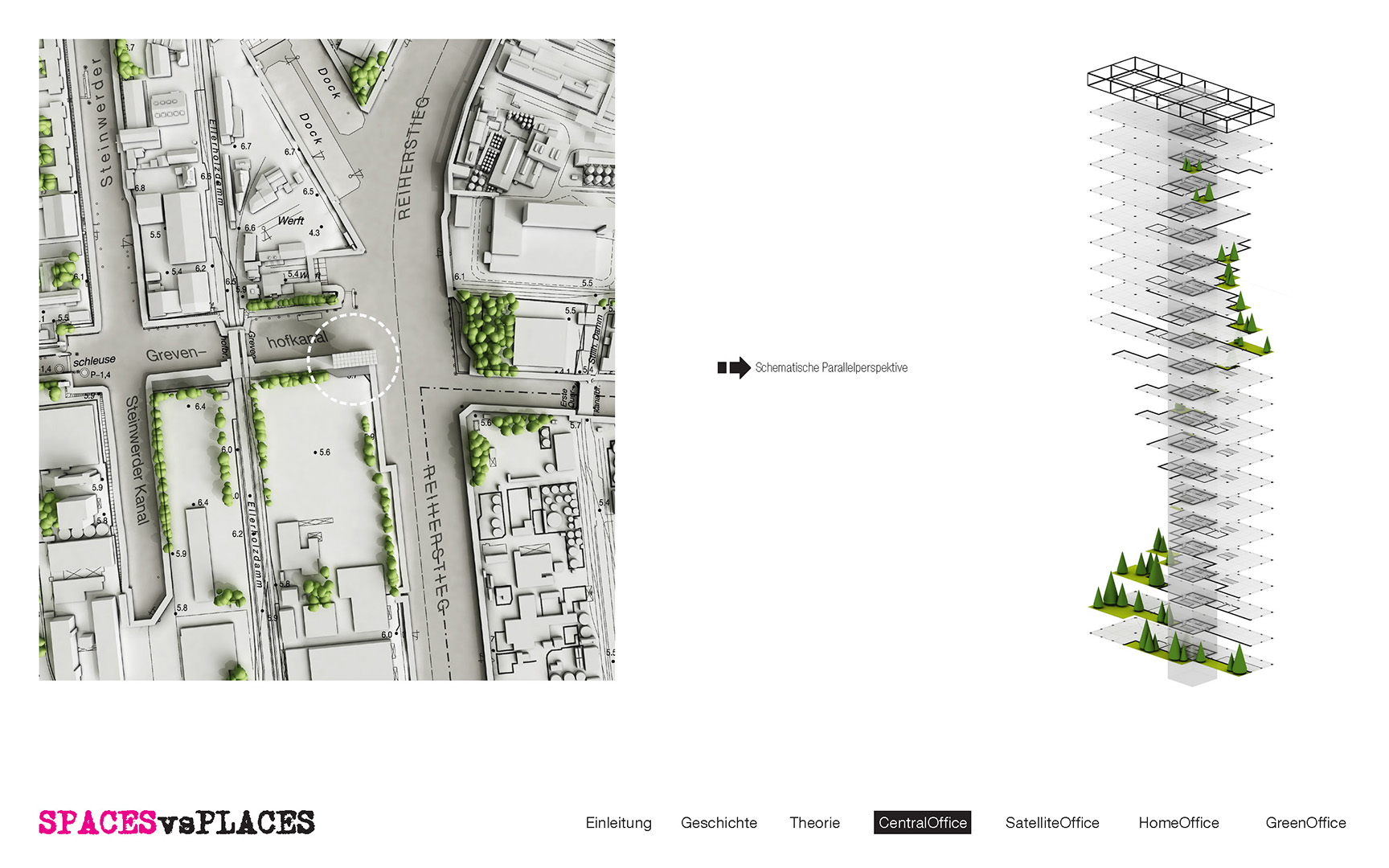
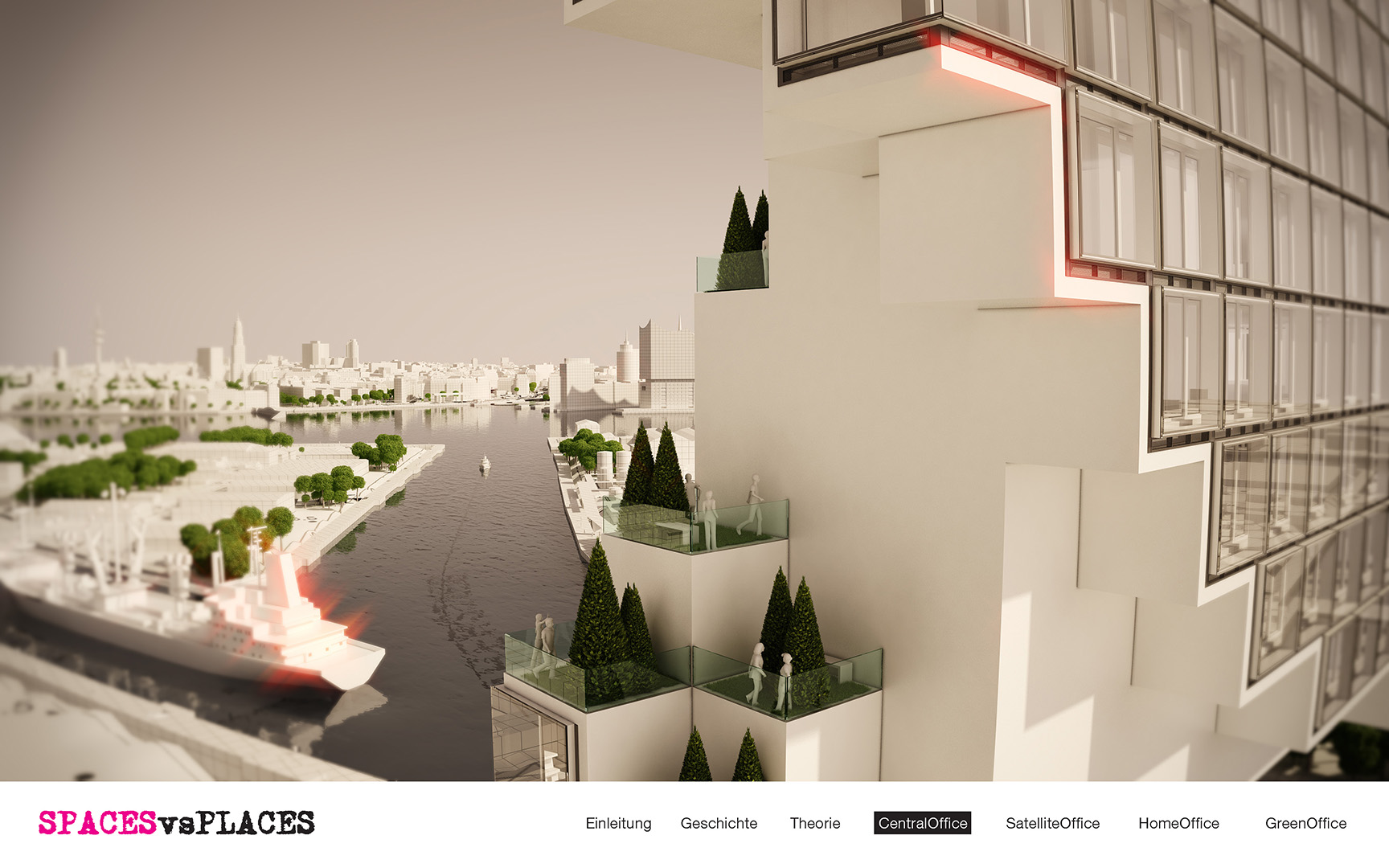
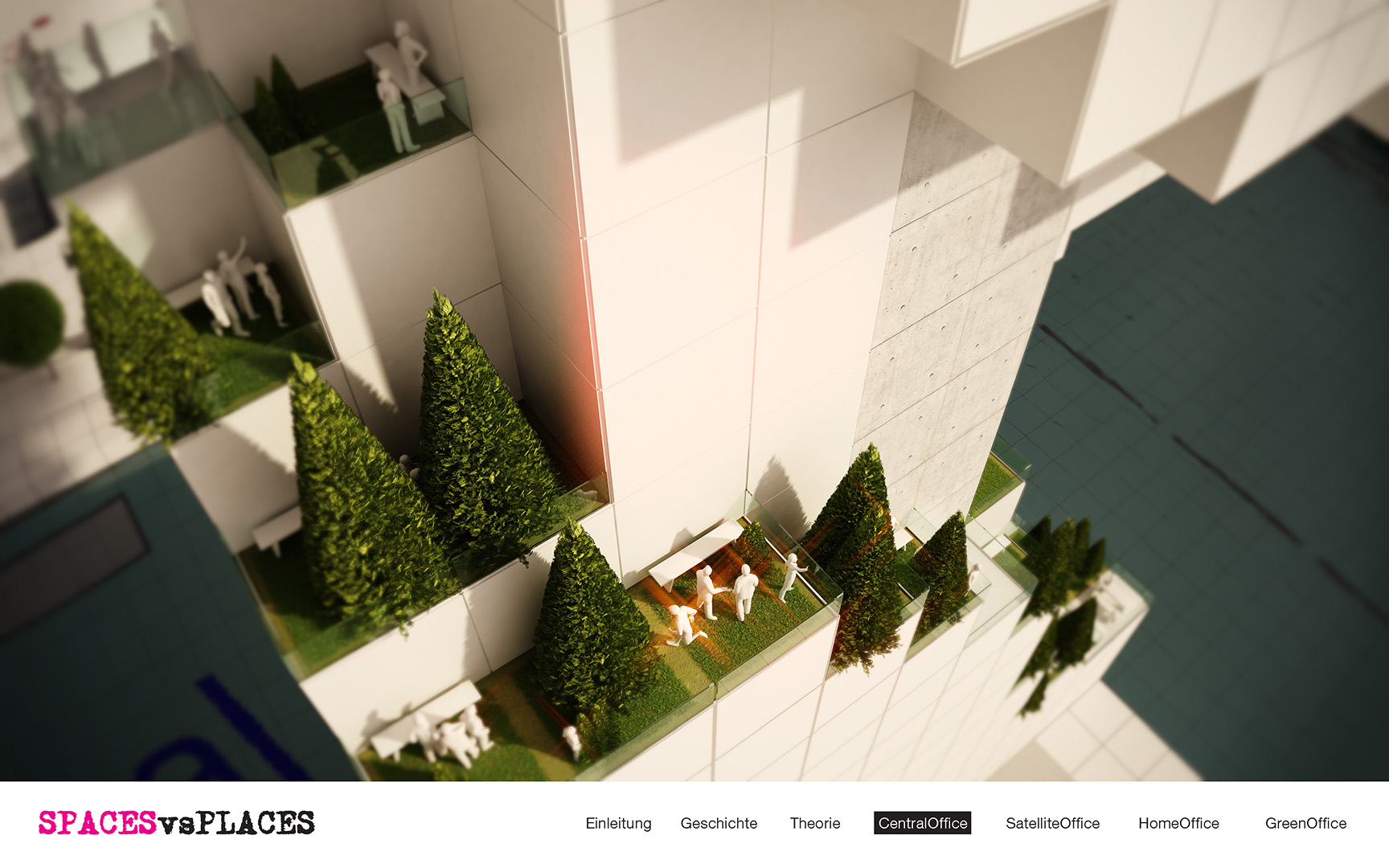
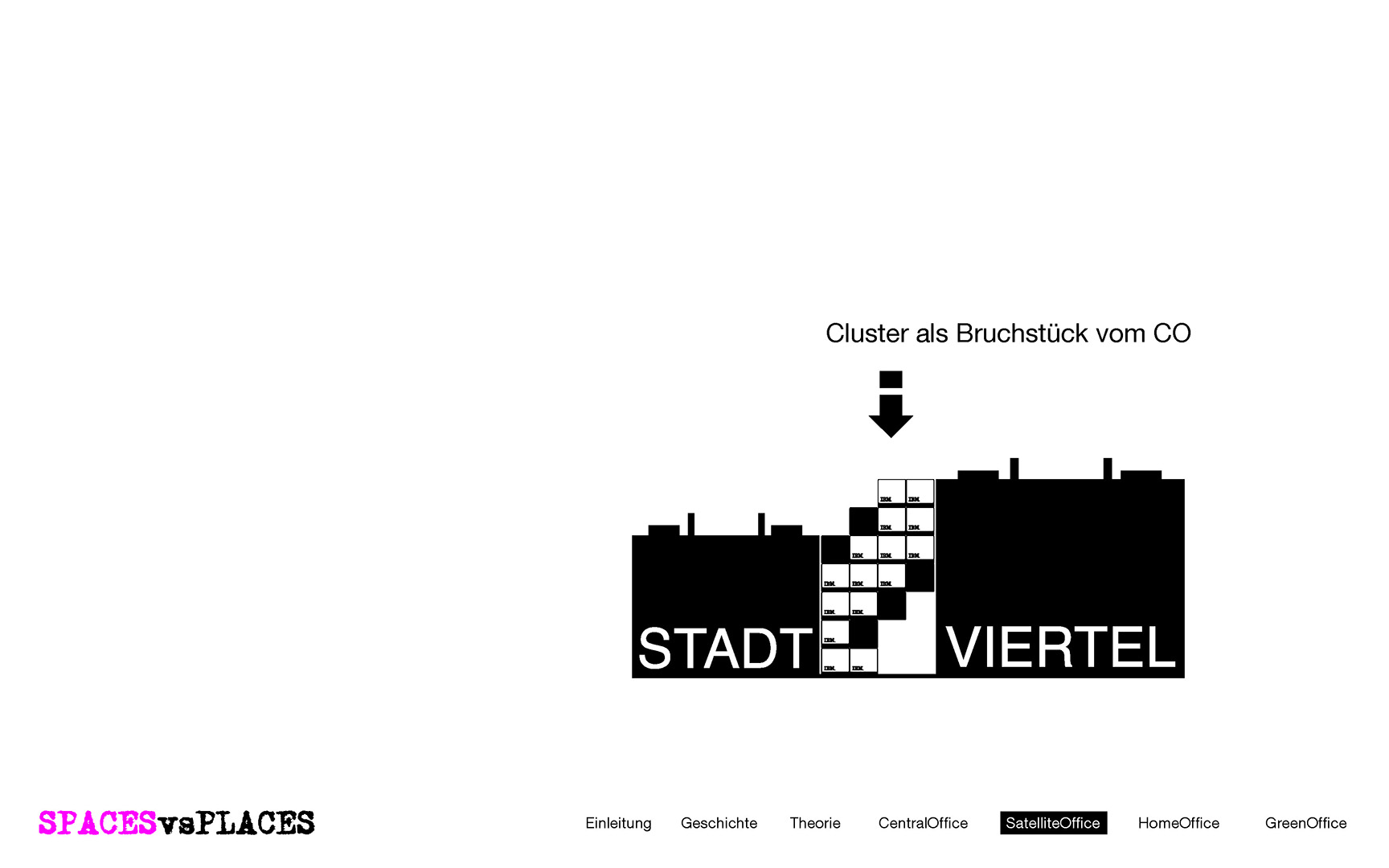
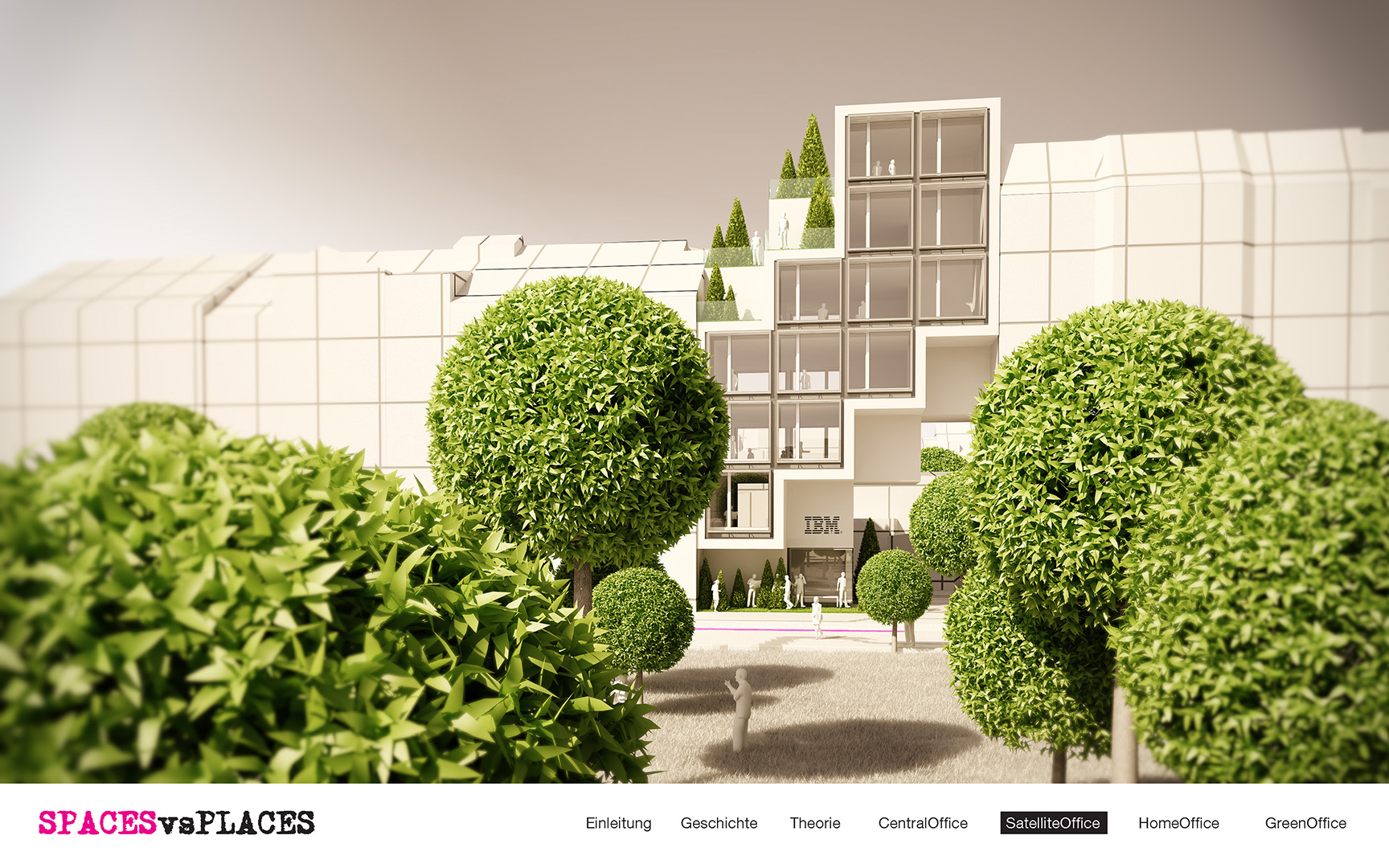
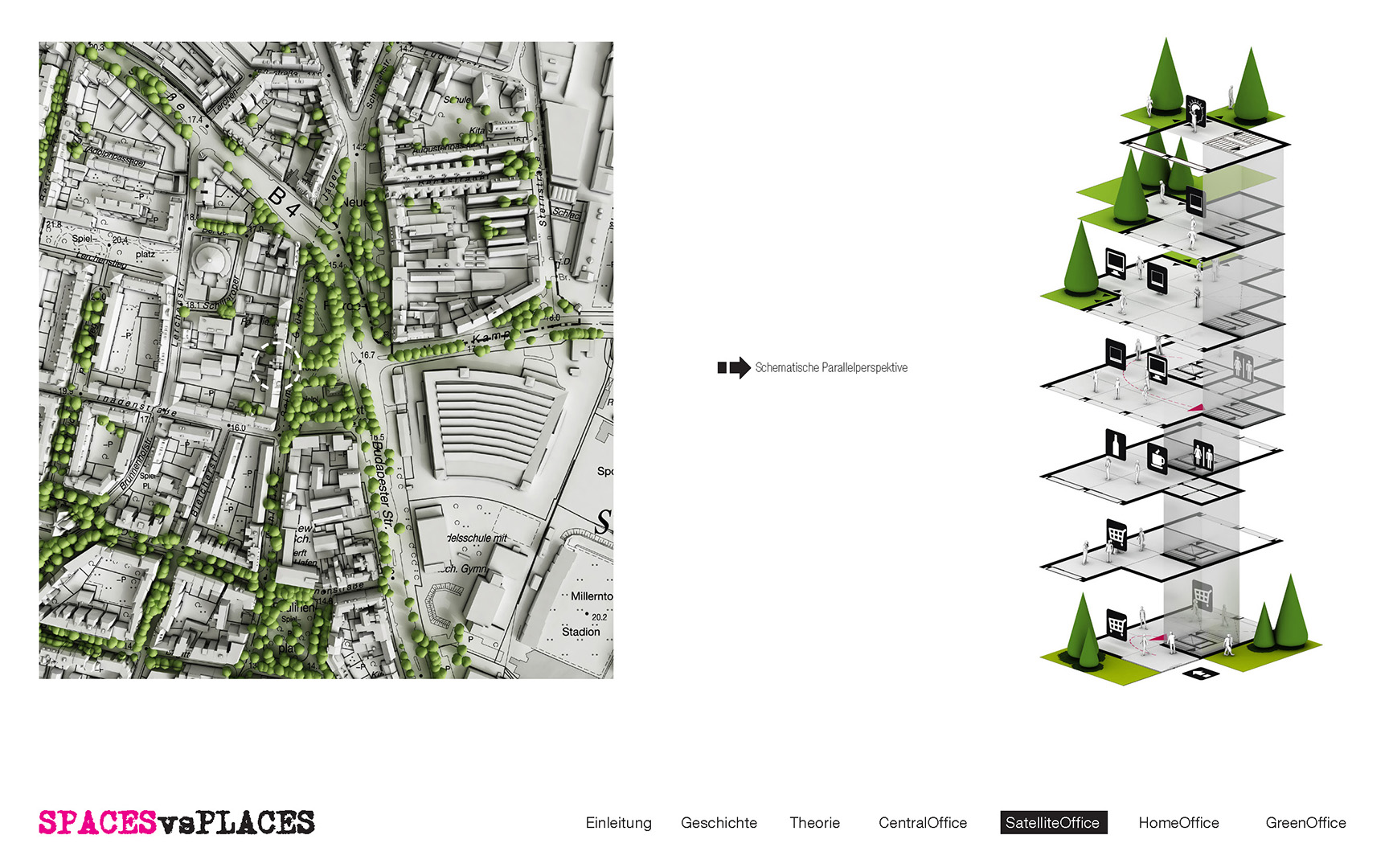
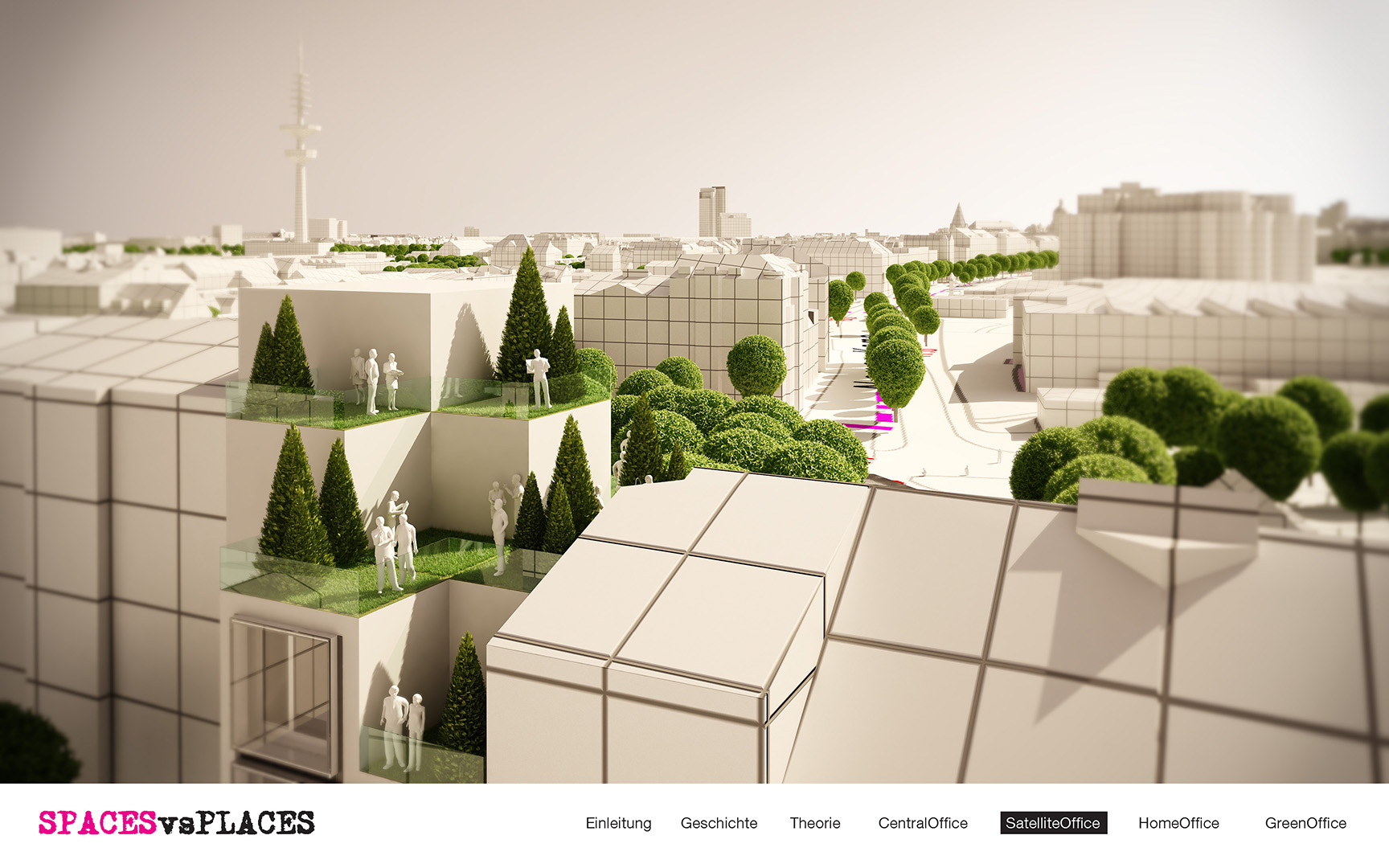
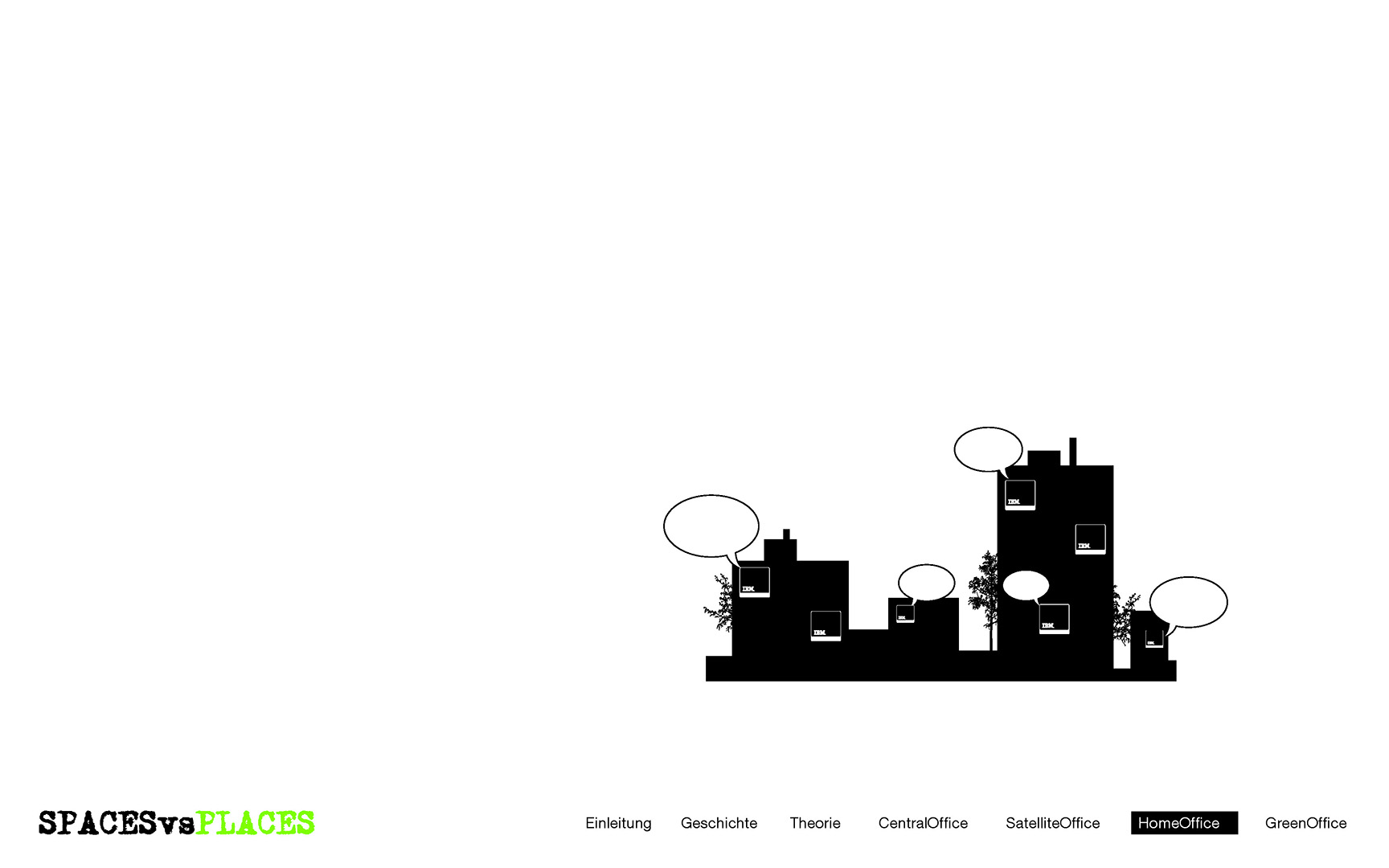
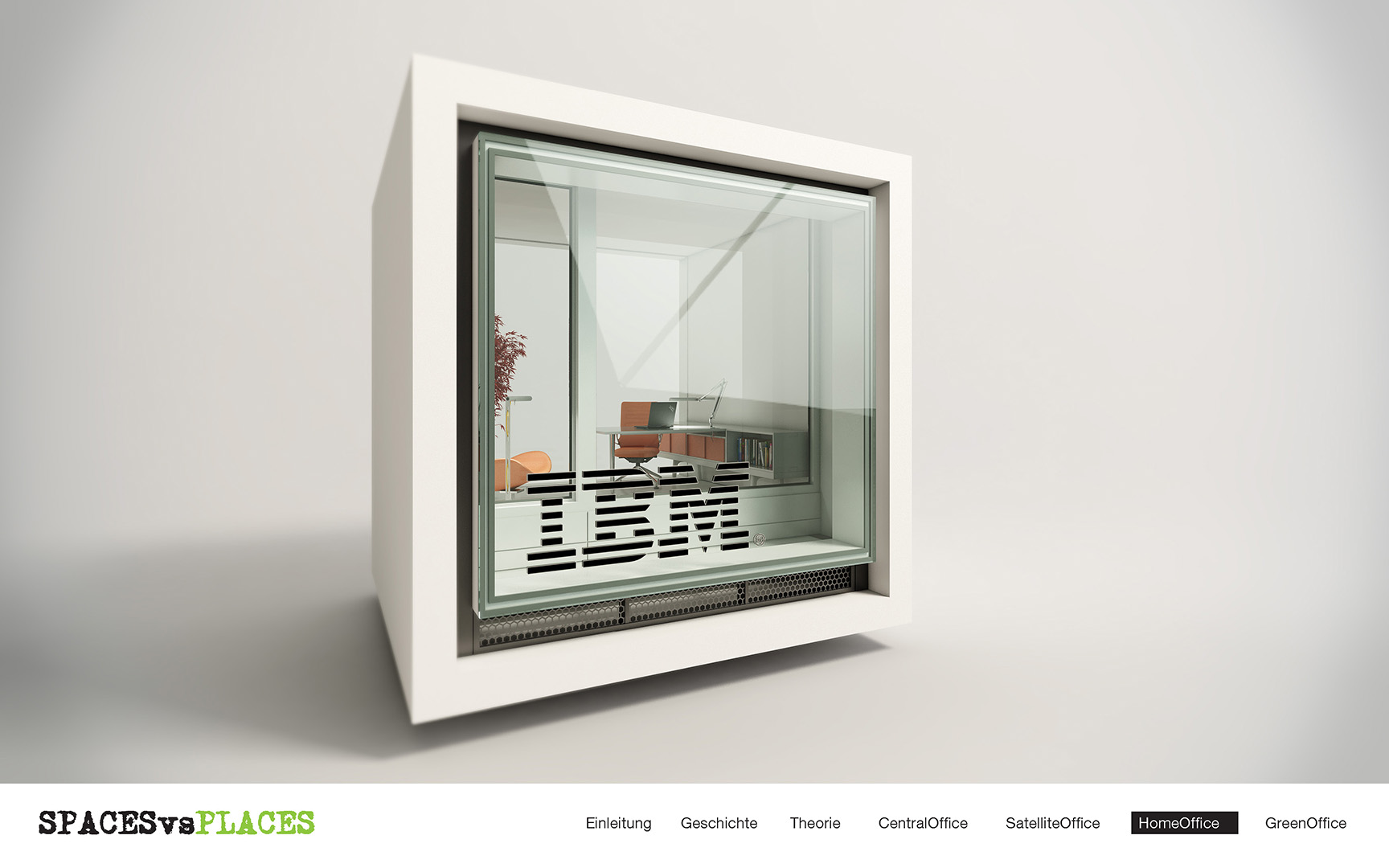
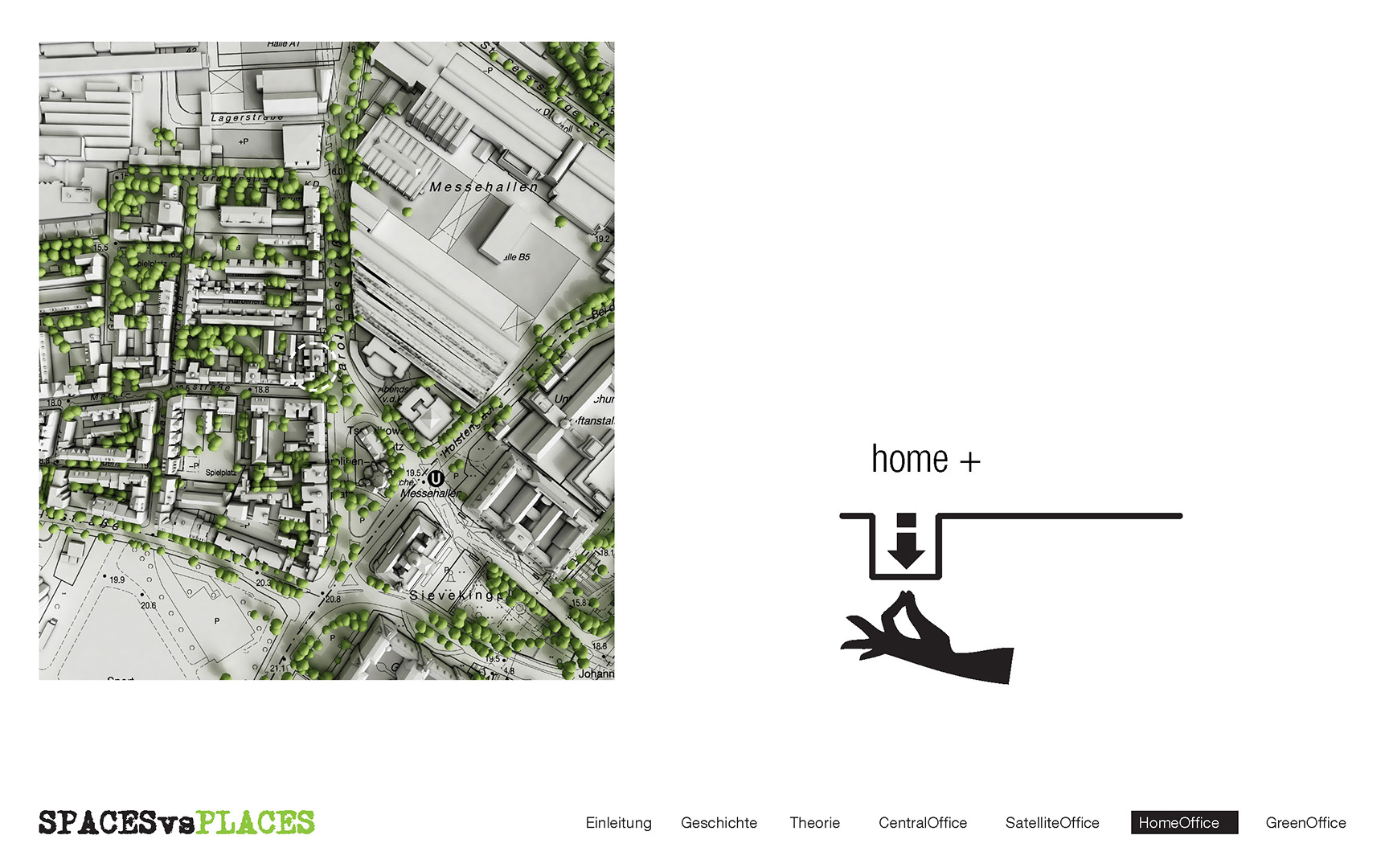
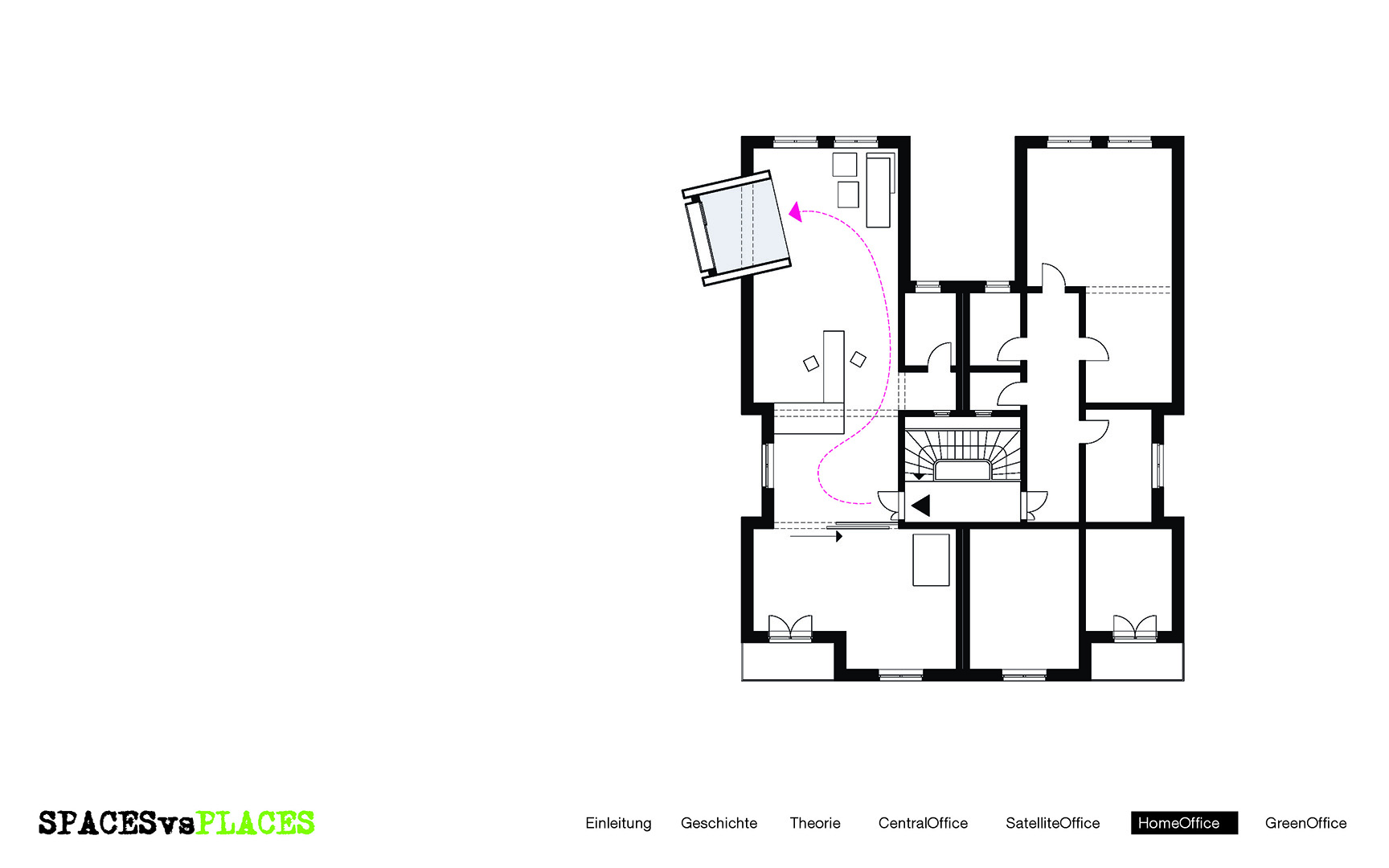
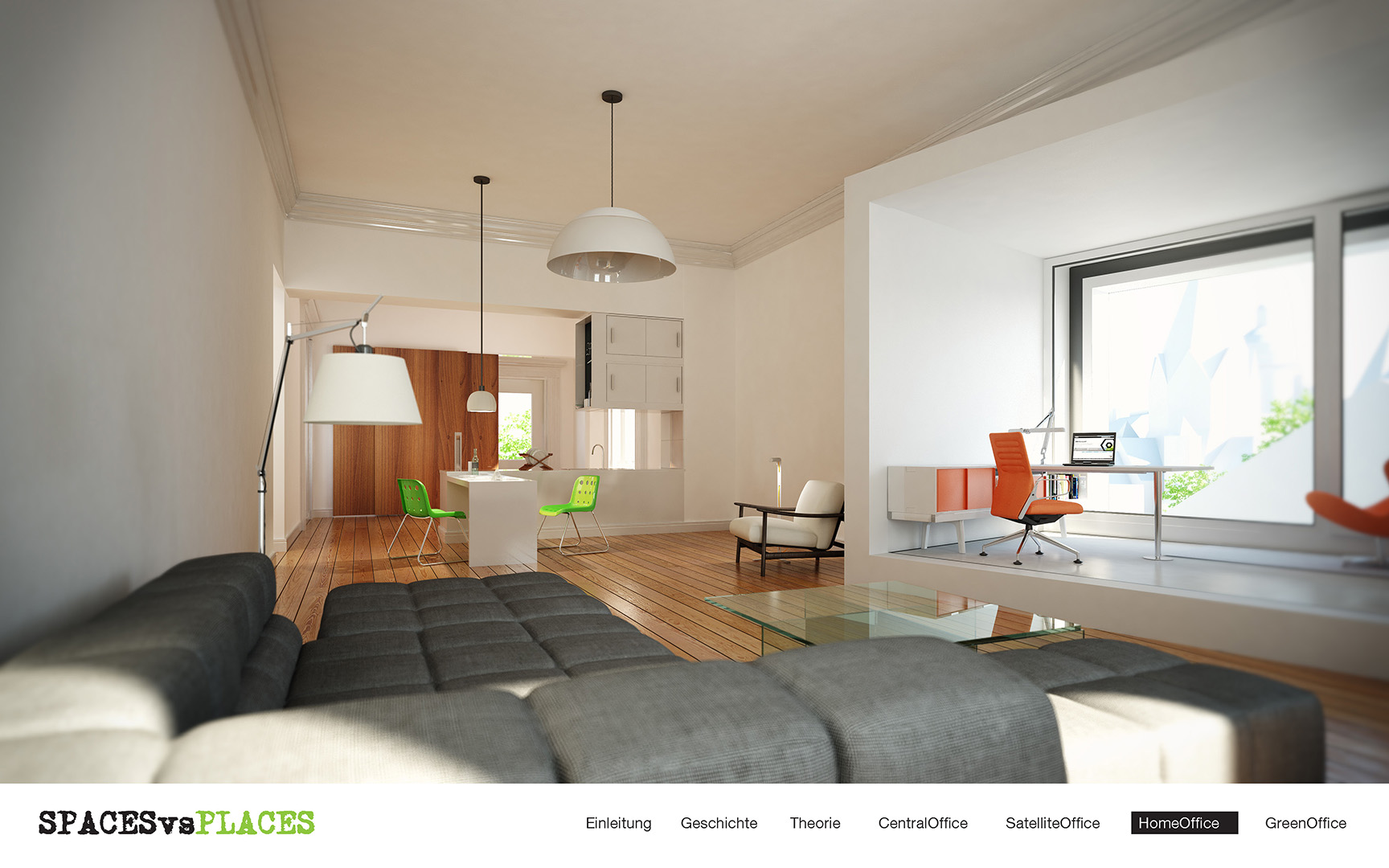
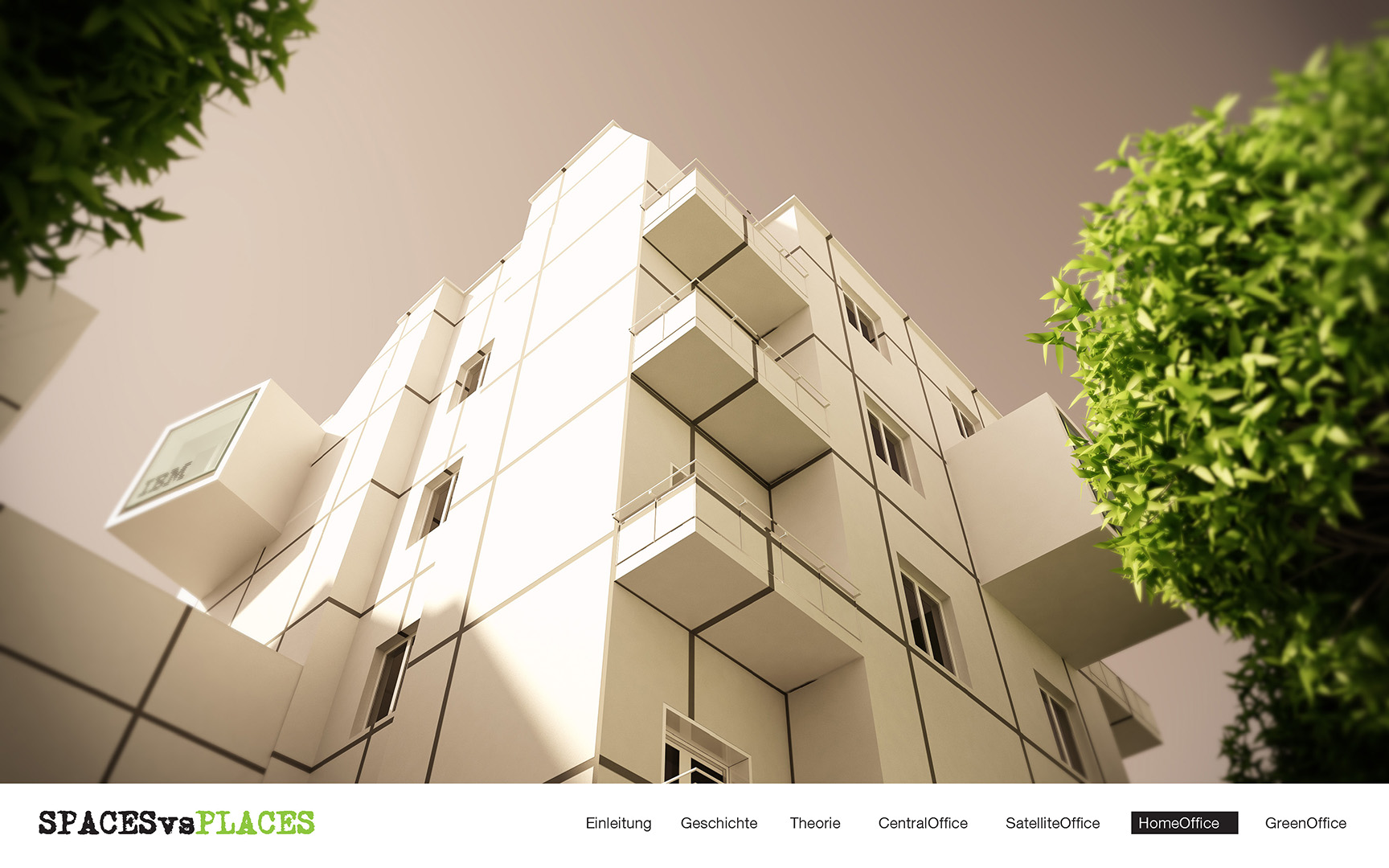
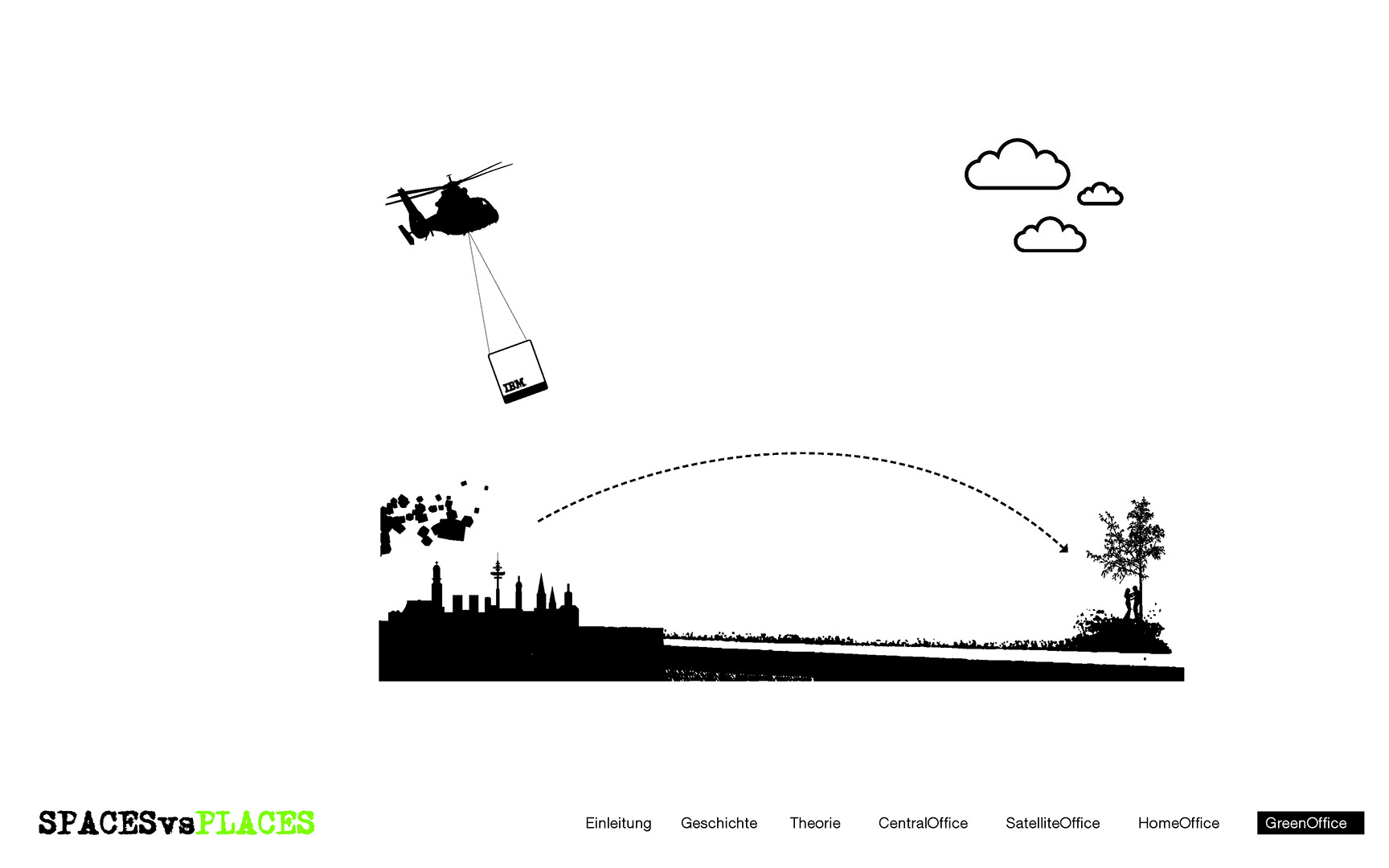
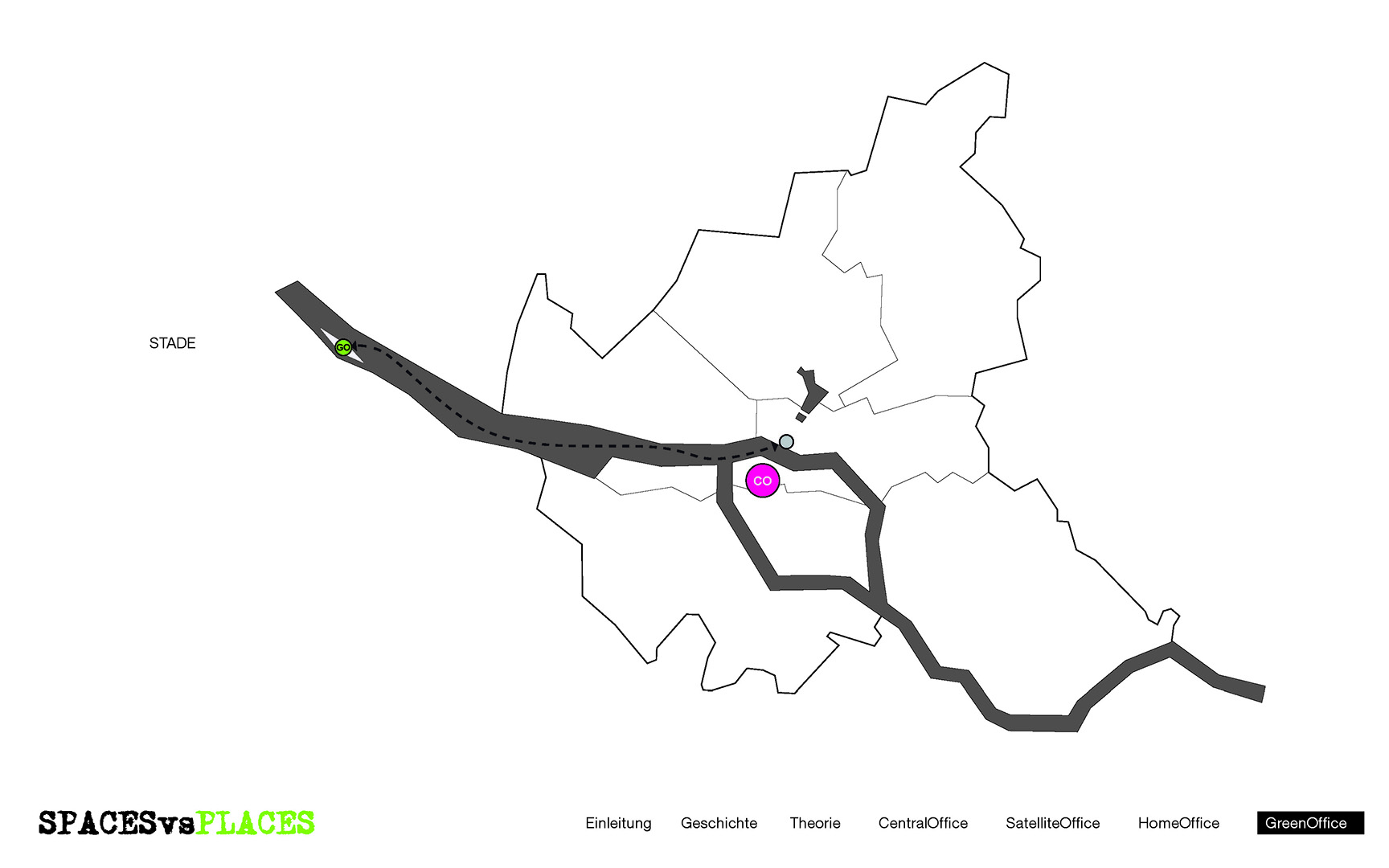
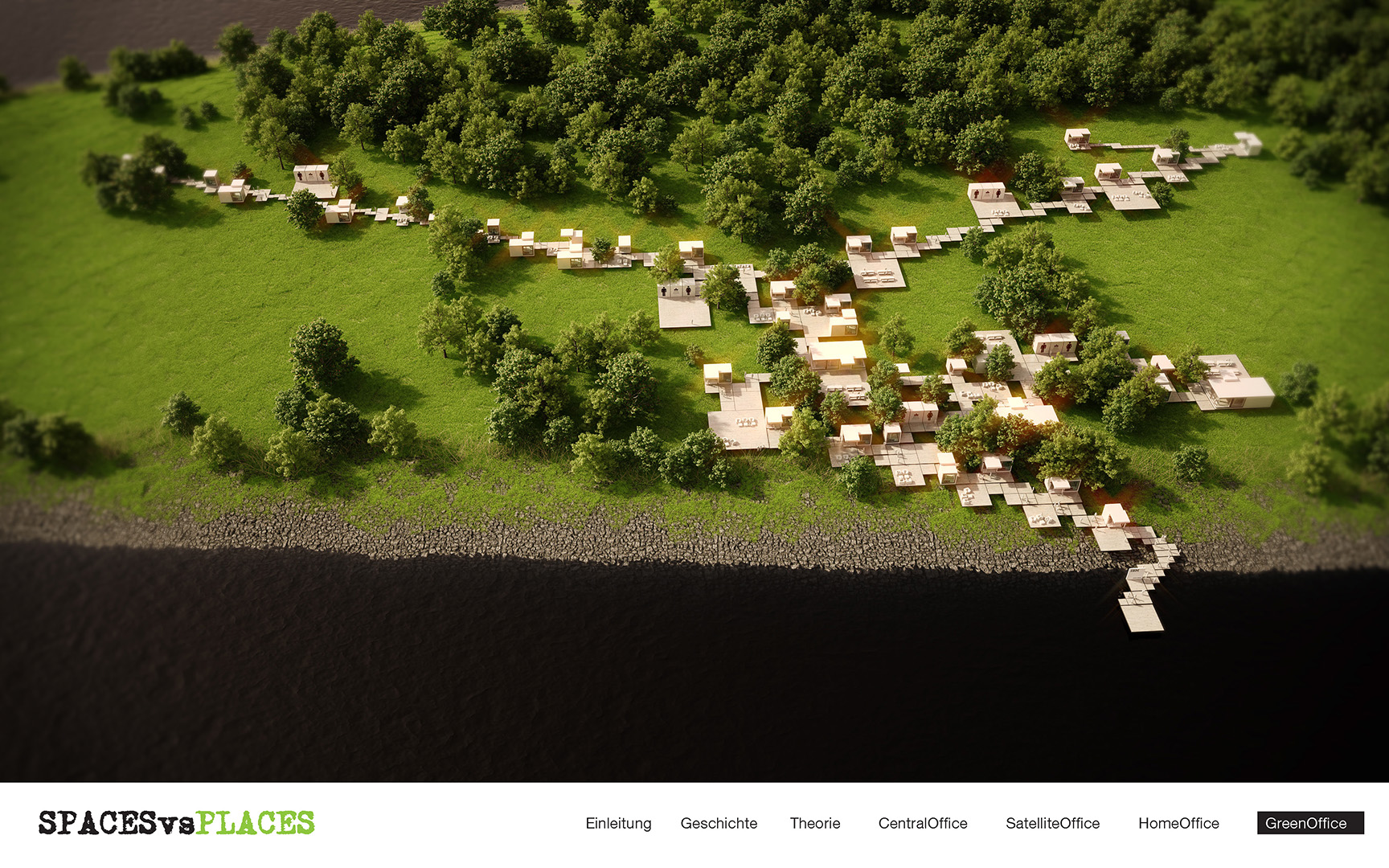
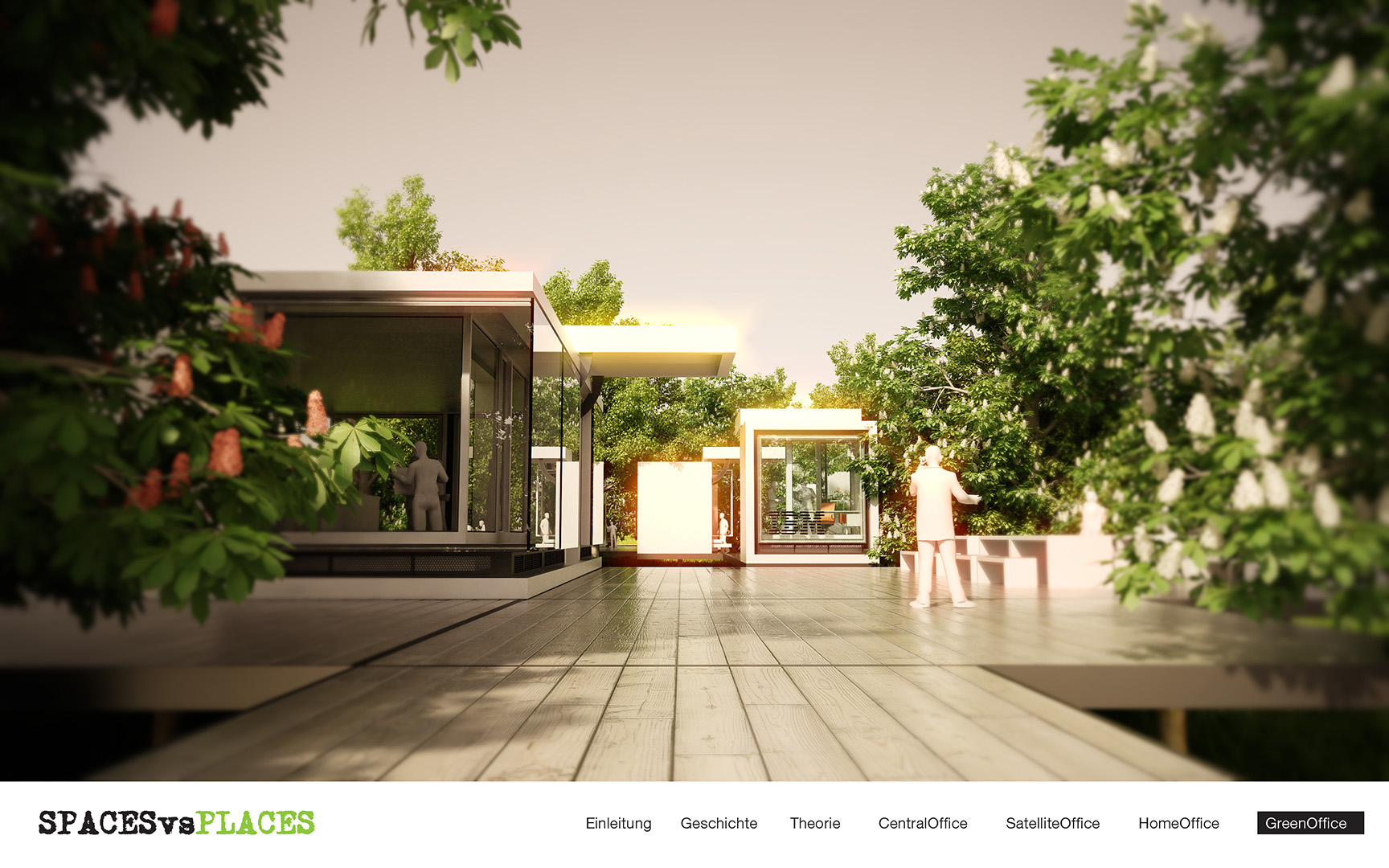
The design outcome was a decentralised office concept for IBM Hamburg — developed at a time when remote work was still utopia. The monolithic Central Office in the harbour sheds mass, distributing units as Satellite Offices into city neighbourhoods, supplemented by parasitic Home Offices in employees' apartments and autonomous Green Offices on the Elbe island of Lühesand. The city becomes the office. Spaces and Places spread across Hamburg like a living network — connected by a dedicated ferry shuttle.
What began as an engagement with parametric systems became conceptual in the end — and in doing so laid the foundation for everything that followed.
Supervised by: Prof. Klaus Sill & Dipl.-Ing. Architekt Juan Hidalgo
HCU Hamburg • Diploma • 2010
Architecture • Parametric • Concept • IBM • Hamburg